Home/Case Details

Blockchain

Public Blockchain Development

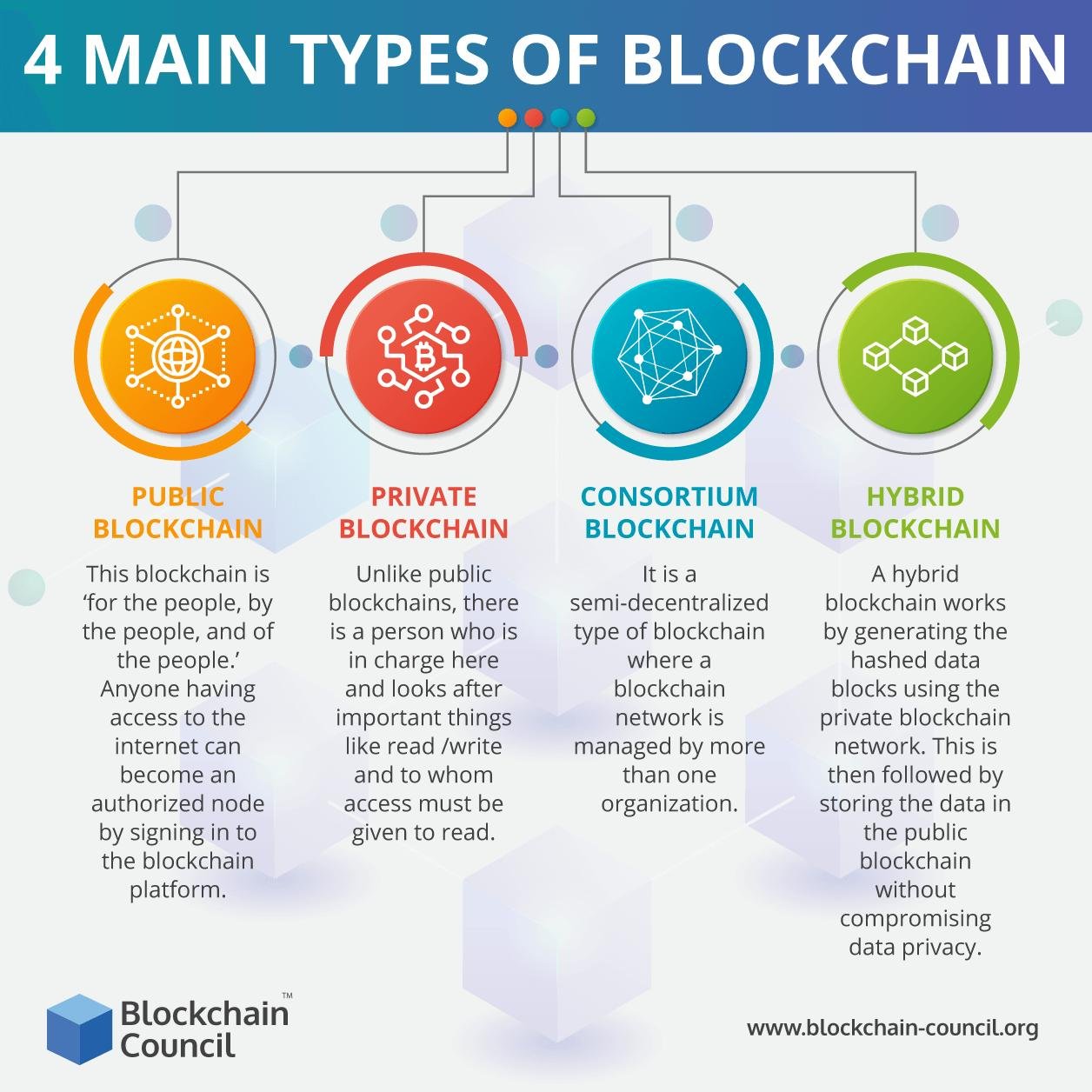
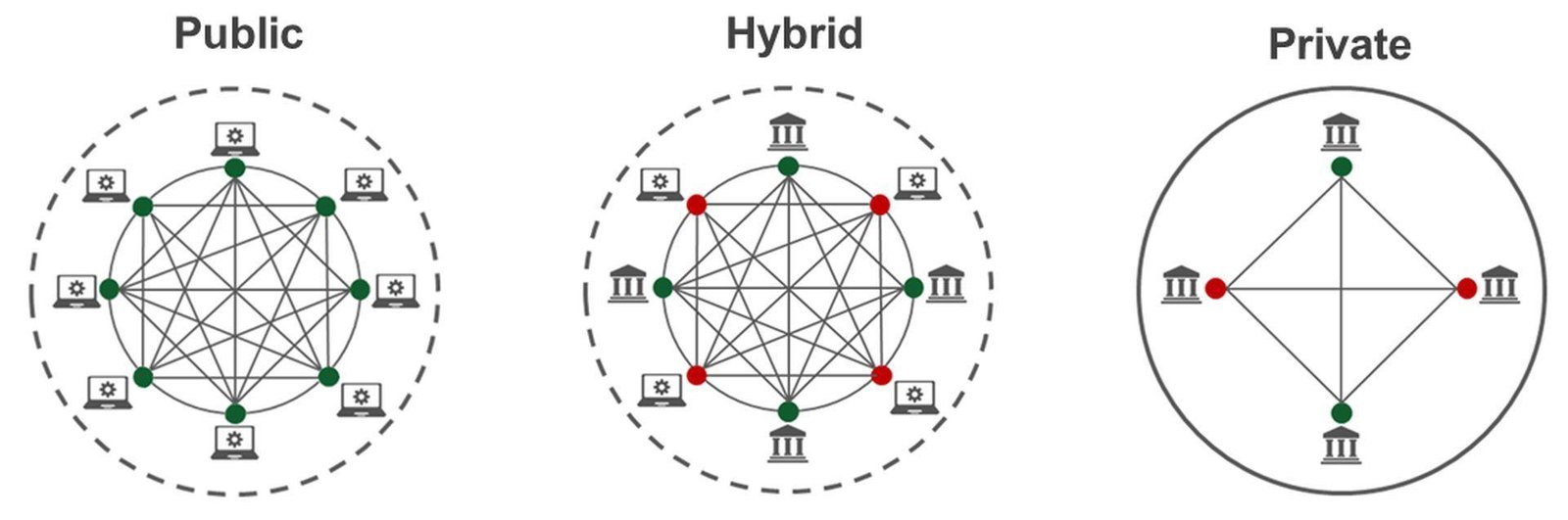
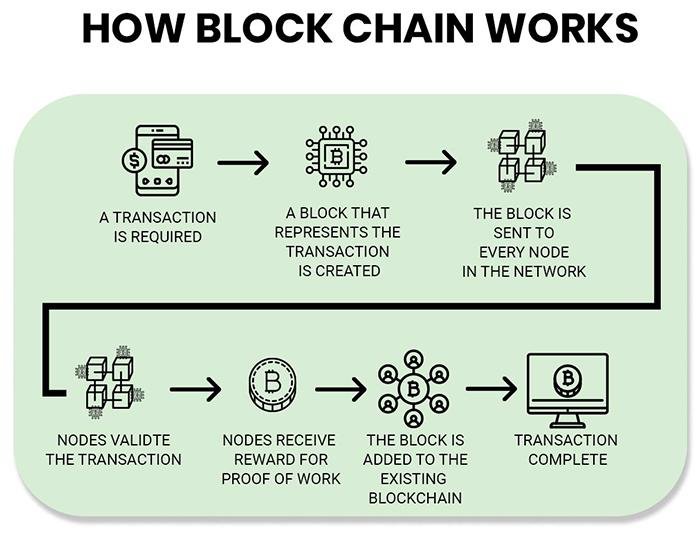
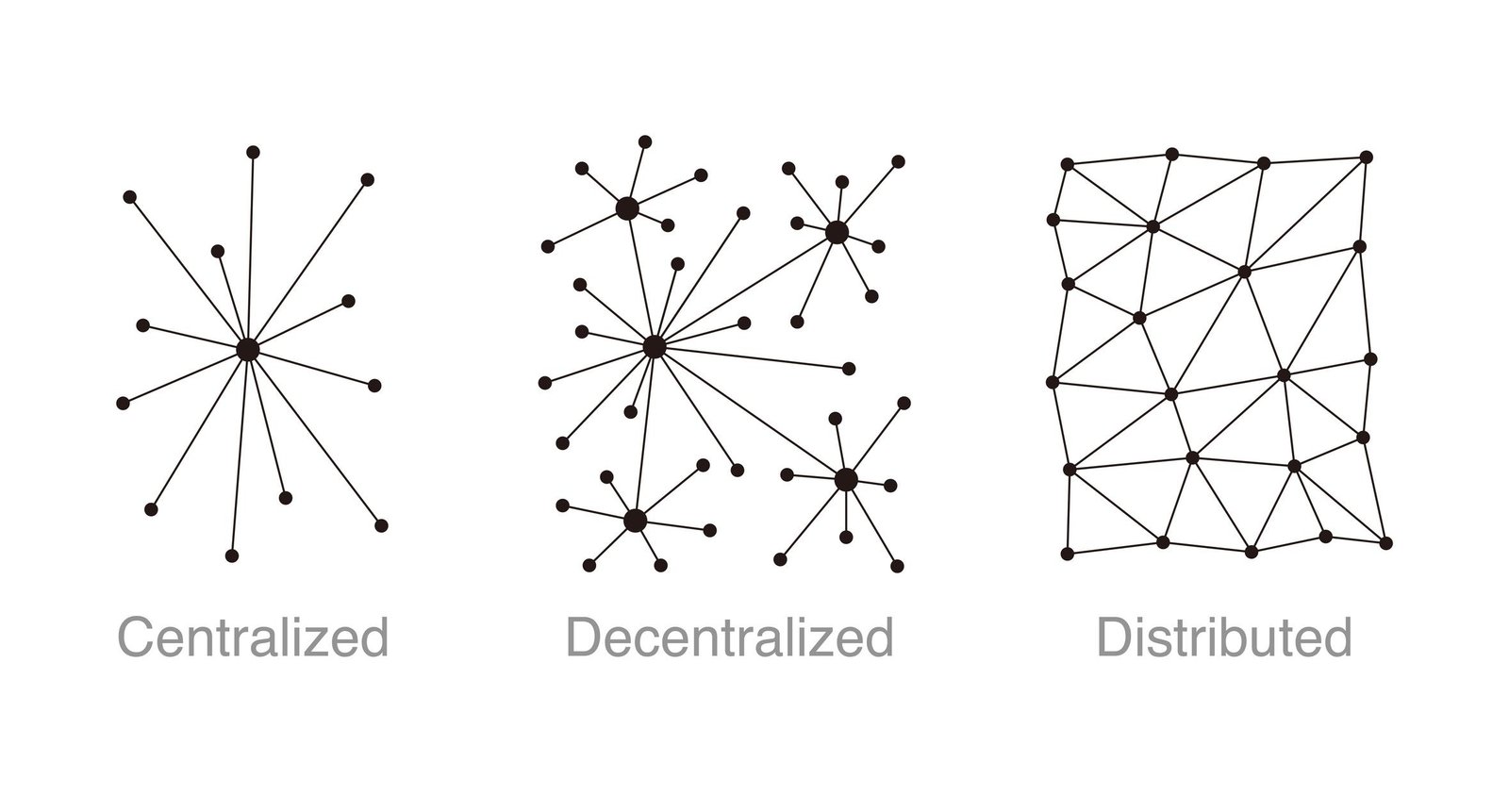
Public Blockchain Development involves creating decentralized applications and blockchain networks that are open to everyone. Anyone can join, view transactions, validate data, and participate without needing permission. These blockchains are highly transparent, secure, and commonly used for cryptocurrencies, smart contracts, NFTs, DeFi platforms, and public record systems.
Pros & corns

Fully decentralized

Strong security and decentralization

Less privacy because data is publicly visible

Tools: Avalanche,Cardano, Polkadot

Banking & Finance,
Gaming,
Retail & E-Commerce

Private Blockchain Development

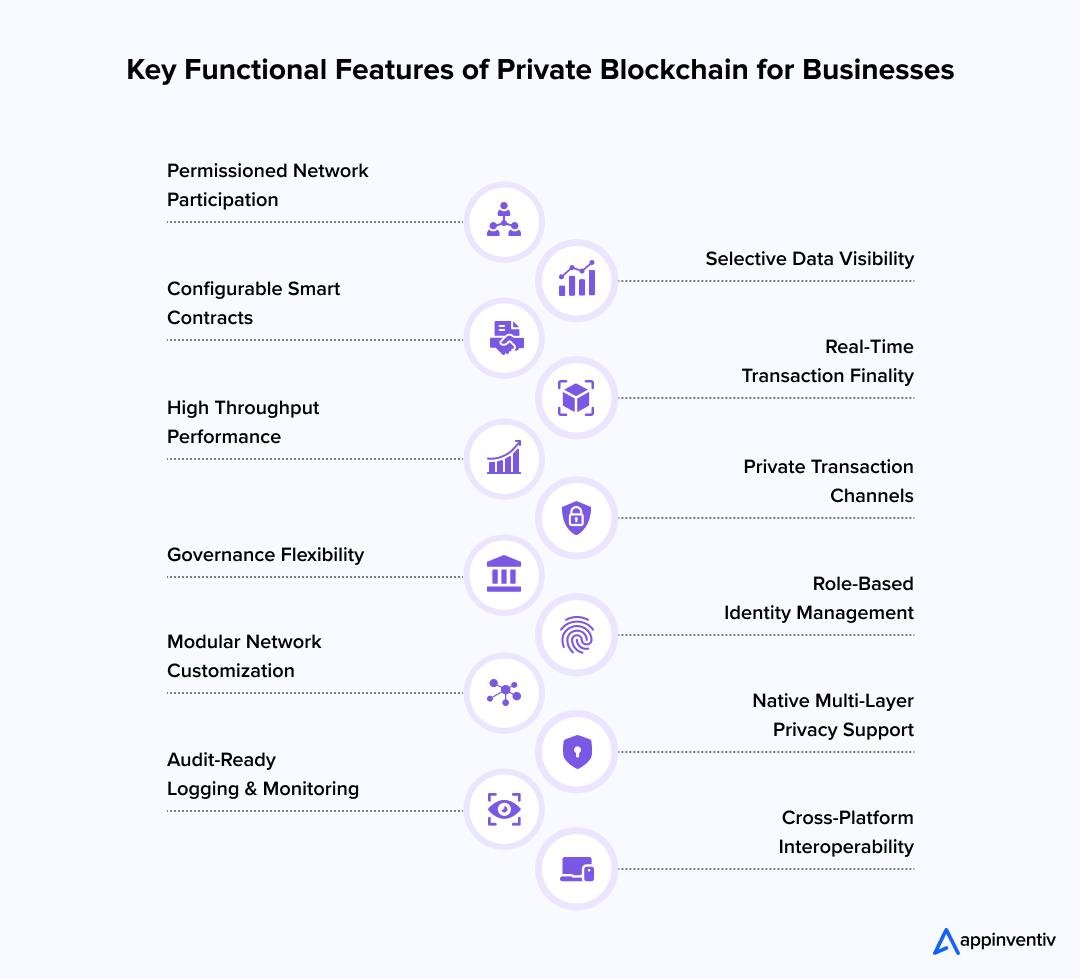
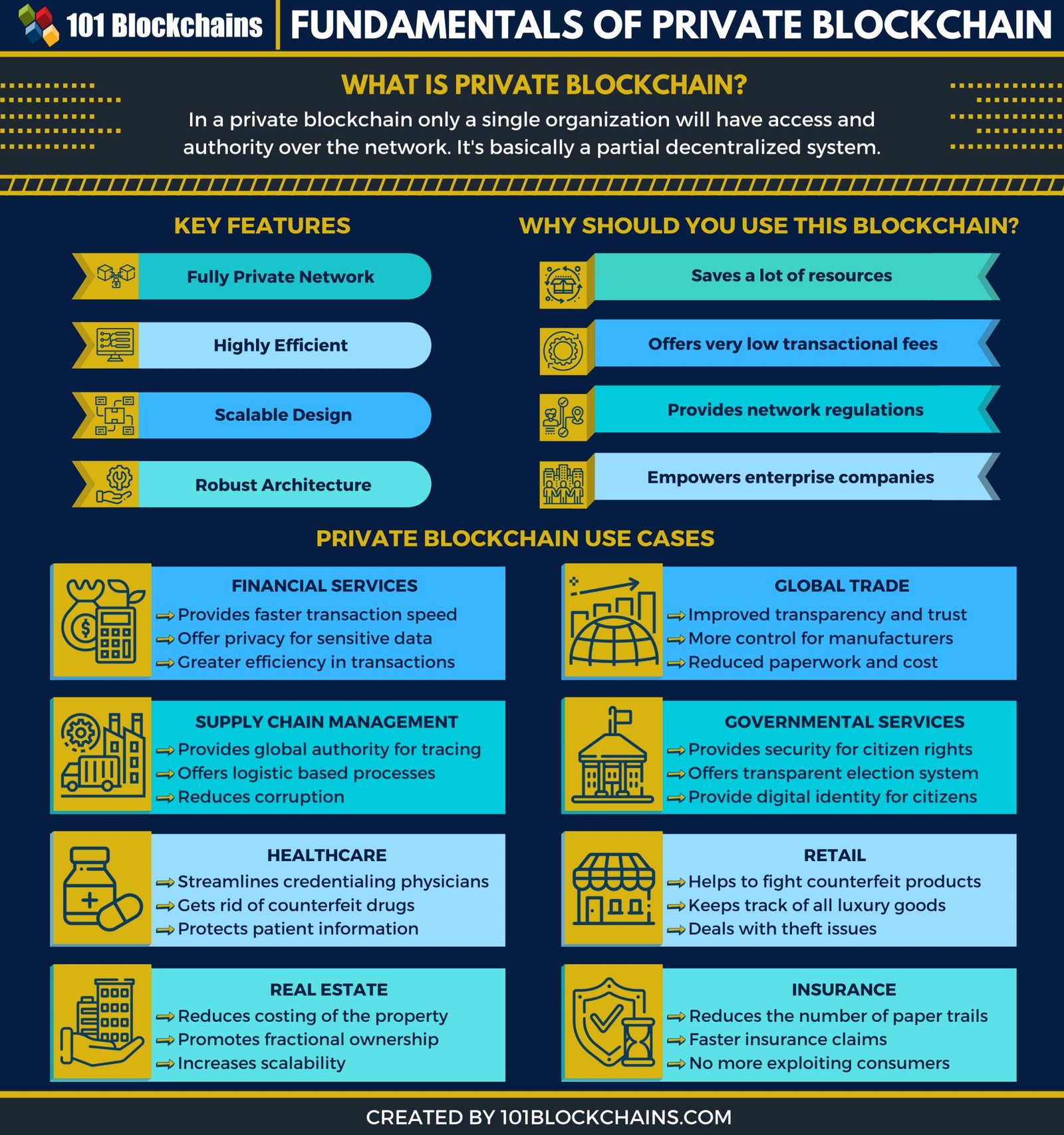
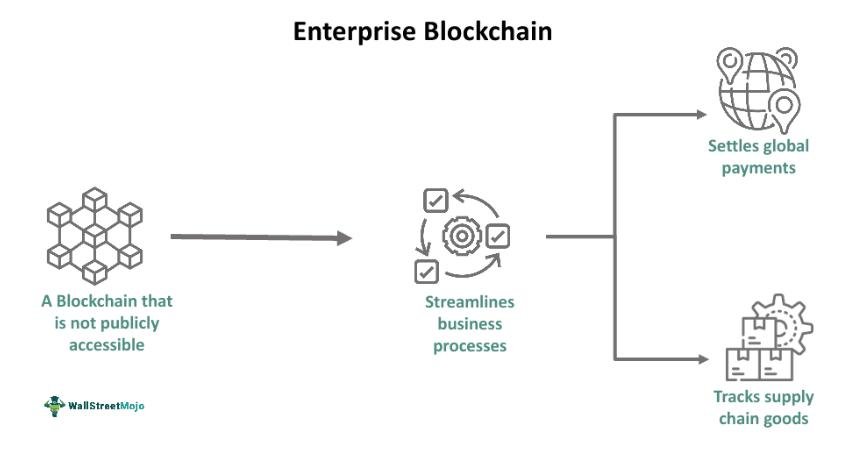
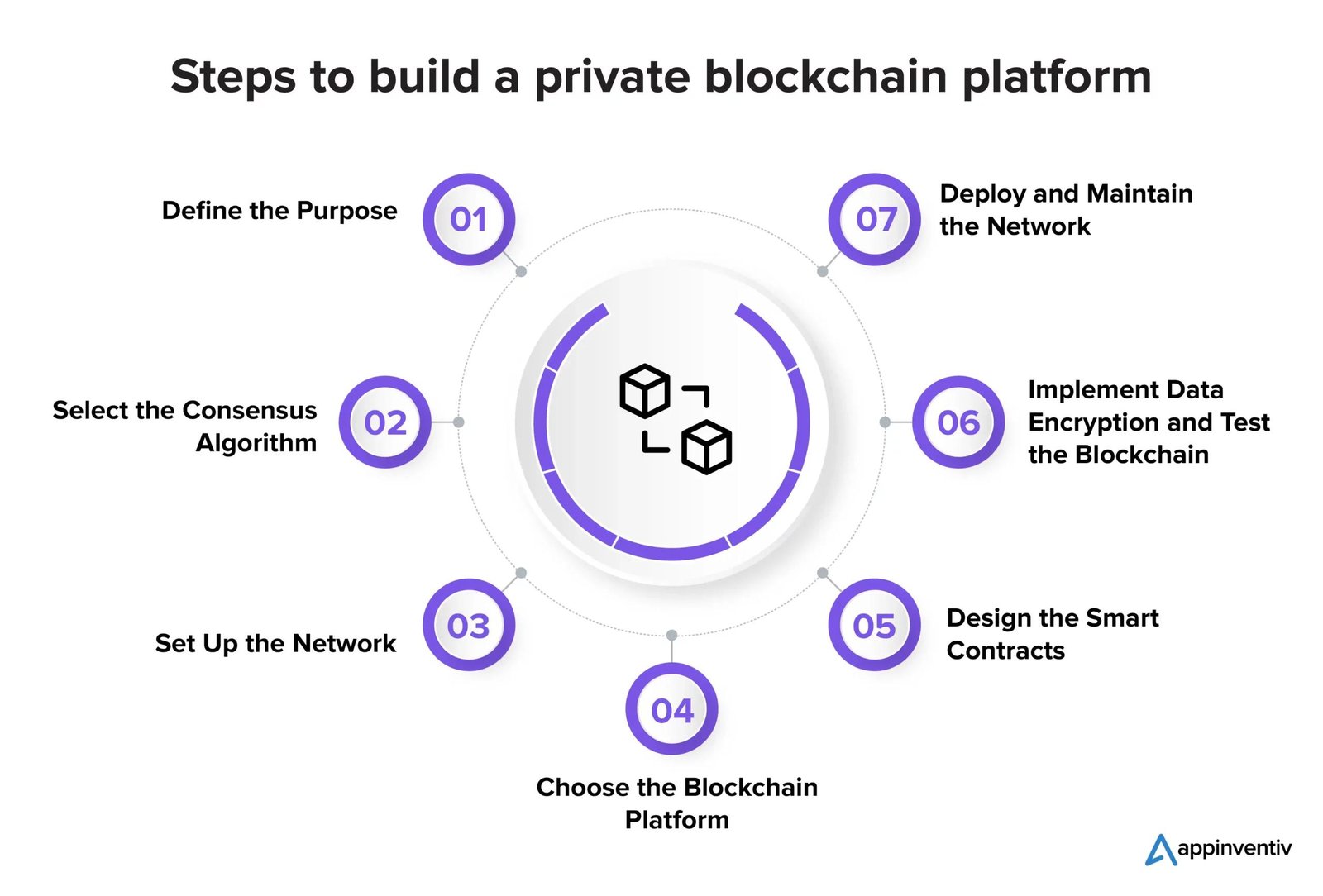
Private Blockchain Development creates blockchain networks that are controlled by a single organization or a selected group of users. Unlike public blockchains, access is restricted, making them faster, more secure, and better suited for businesses that need privacy and control.

Pros & corns

High speed and performance

High speed and performance

Requires trust in the organization

Tools: R3 Corda, Quorum, IBM Blockchain

Banking & Finance,
Healthcare,
Supply Chain & Logistics

Hybrid Blockchain Development

Hybrid Blockchain Development combines the features of both public and private blockchains. Businesses can keep sensitive data private while making selected information public for transparency. This gives organizations better security, flexibility, and control without losing the benefits of decentralization.

Pros & corns

More secure than public blockchain

Faster than public blockchain

Complex setup

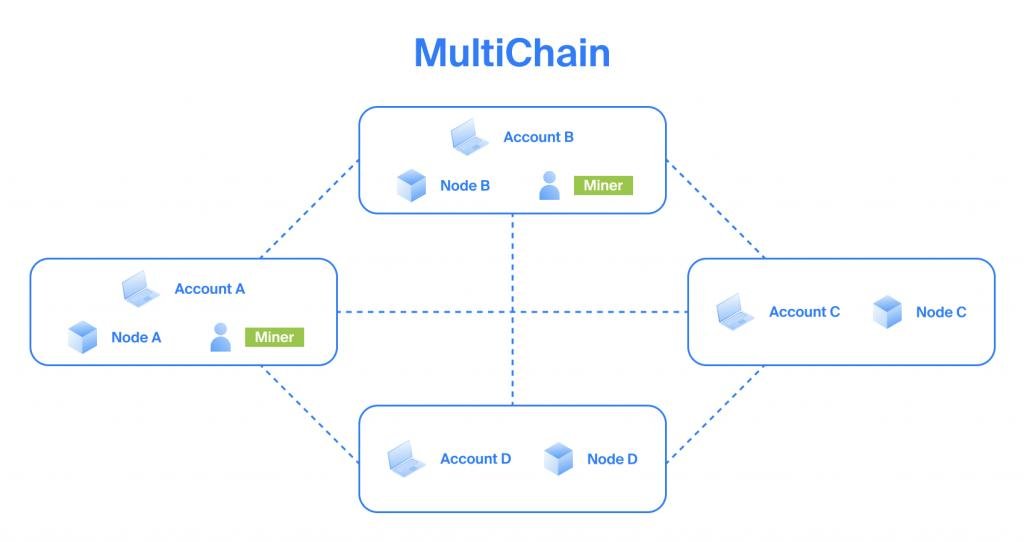
Tools: Hyperledger Besu, MultiChain, Dragonchain

Retail & E-Commerce,
Manufacturing,
Education,
Energy & Utilities

Smart Contract Development

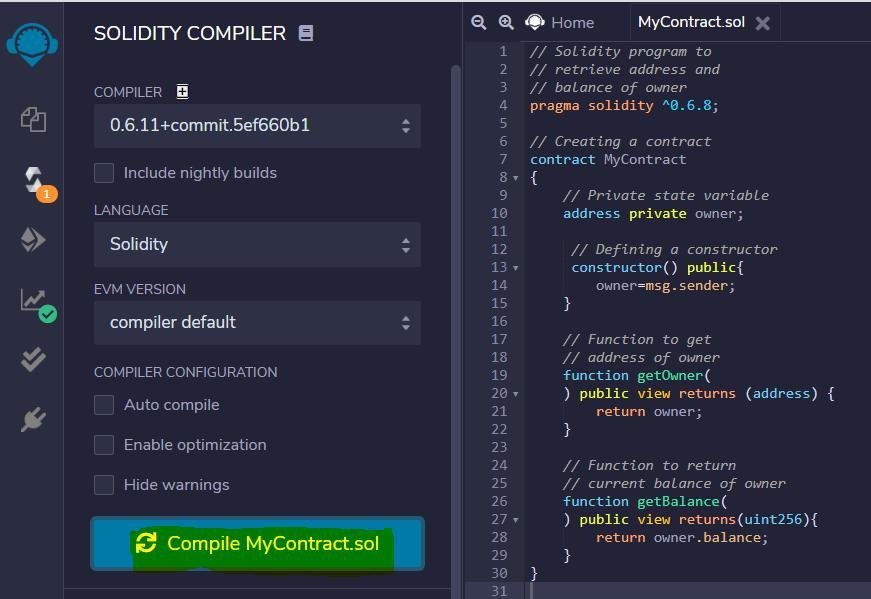
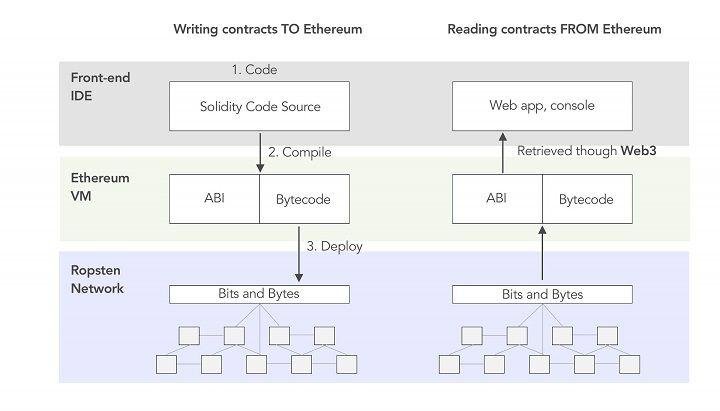
Smart Contract Development involves creating self-executing digital agreements on a blockchain. These contracts automatically perform actions when predefined conditions are met, reducing manual work and increasing security.

Pros & corns

Reduces manual errors

Saves time and cost

Bugs can be expensive

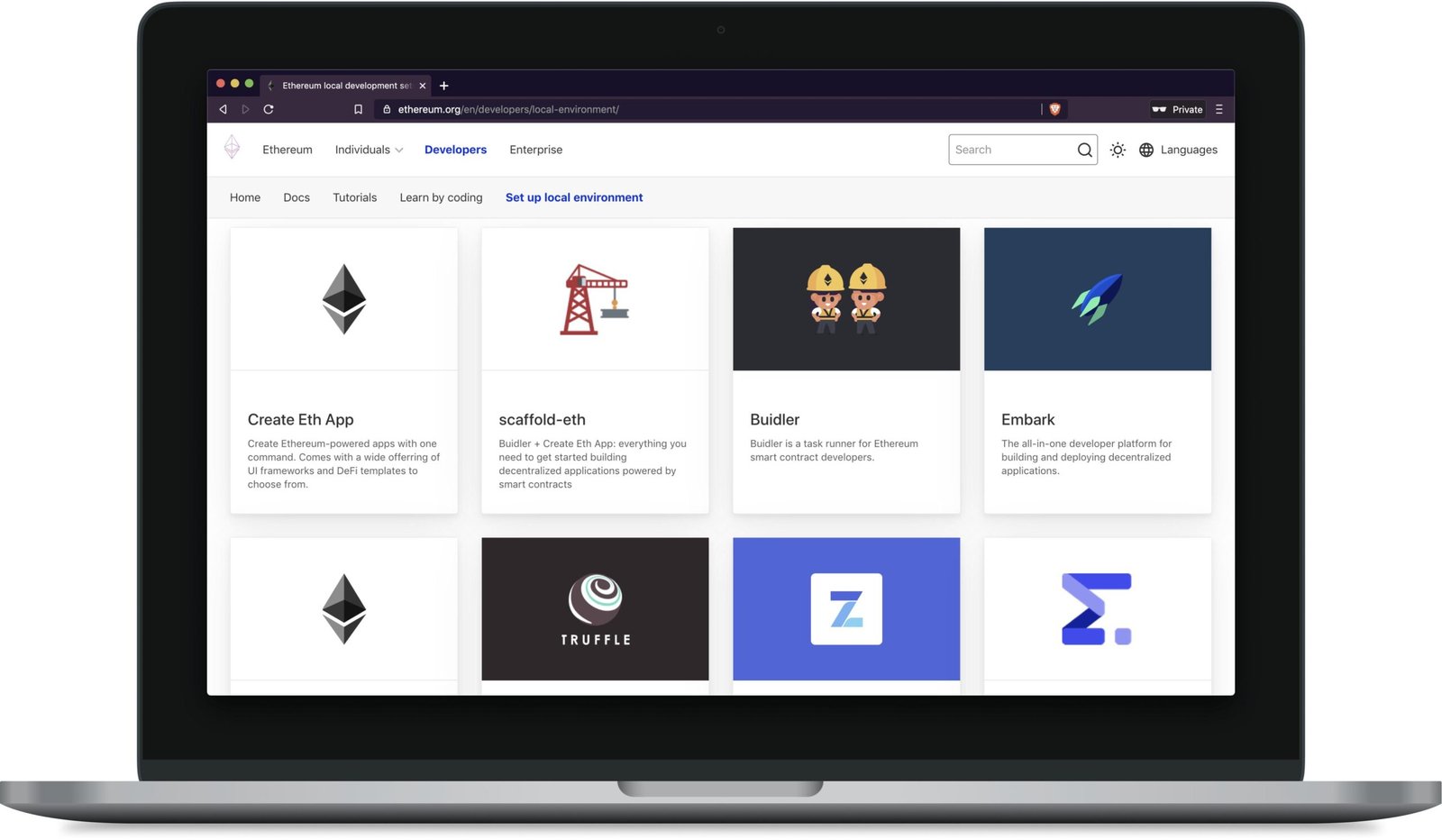
Tools: Solidity, Remix IDE, Hardhat Ganache

Real Estate,
Insurance,
Retail & E-Commerce,
Supply Chain & Logistics

Cryptocurrency & Token Development

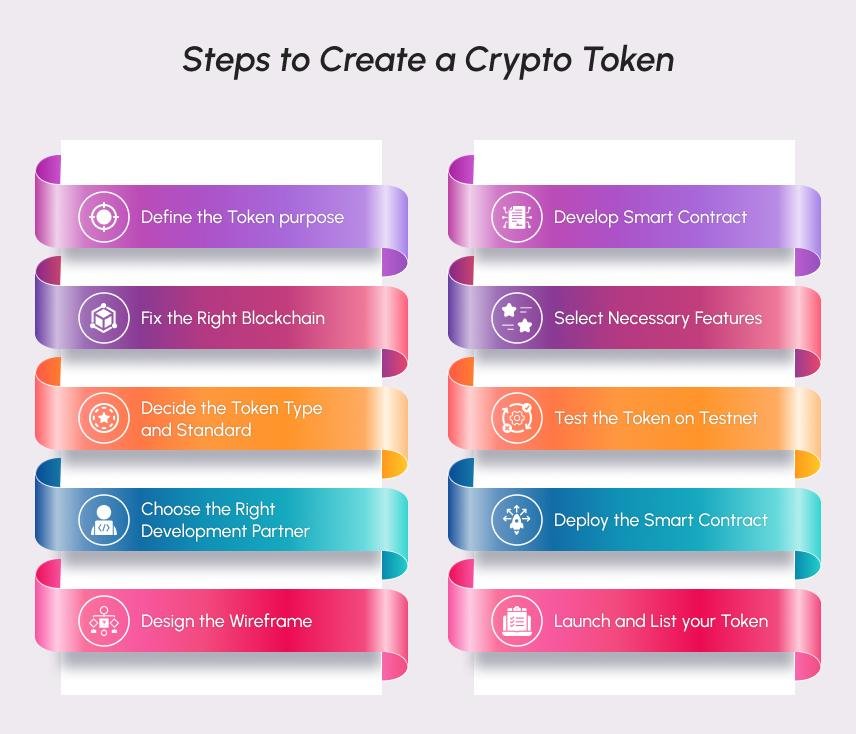
Cryptocurrency & Token Development involves creating custom digital currencies or blockchain-based tokens for payments, rewards, fundraising, gaming, NFTs, and decentralized platforms.

Pros & corns

Easy fundraising

Creates digital economy

Requires marketing and adoption

Tools: MetaMask, Ganache, IPFS, Docker, GitHub

Travel & Hospitality,
Manufacturing,
Energy & Utilities,
Agriculture

NFT Marketplace Development

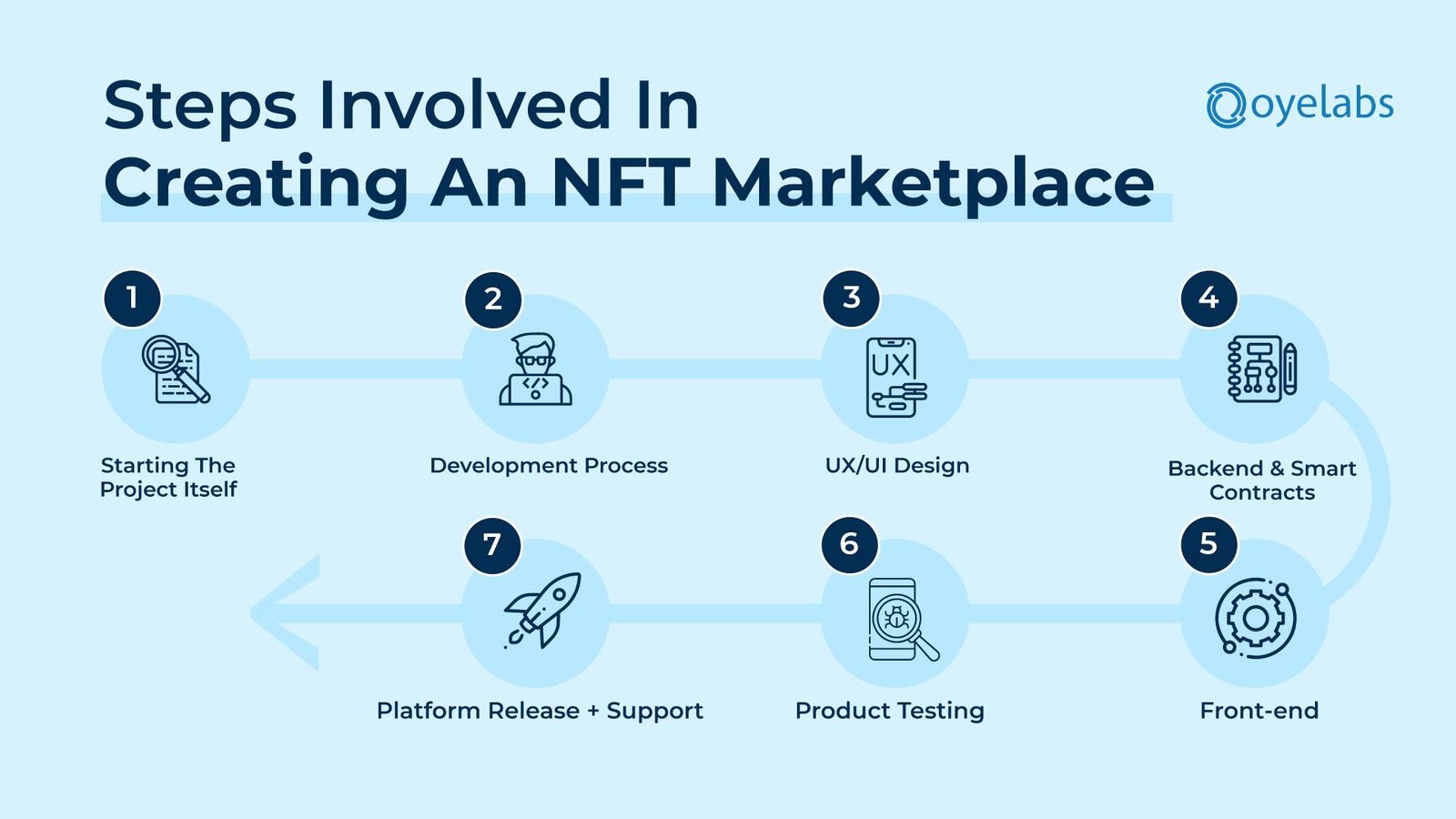
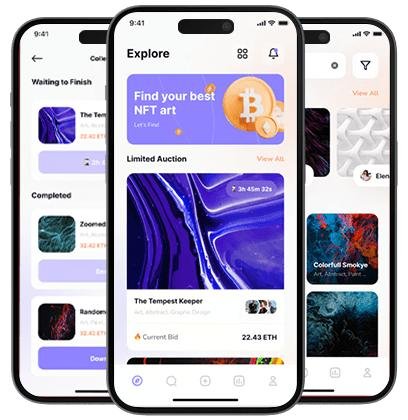
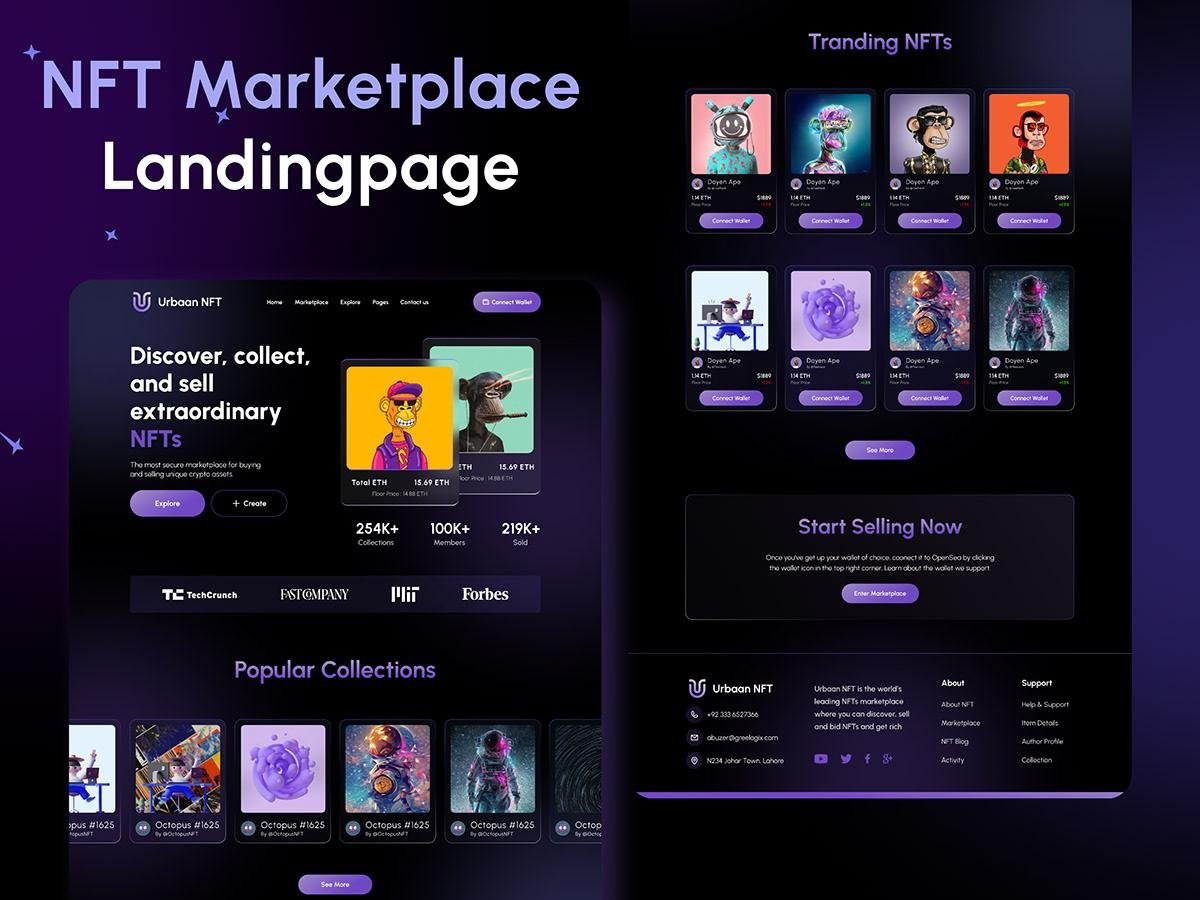
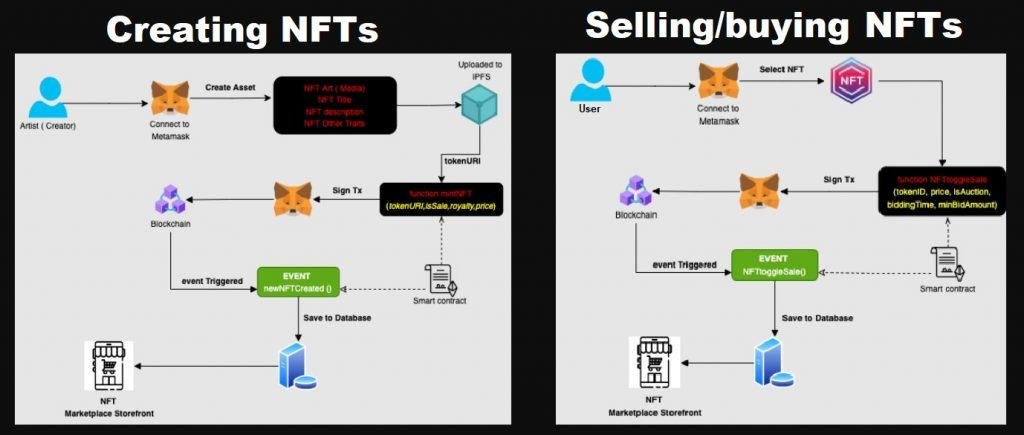
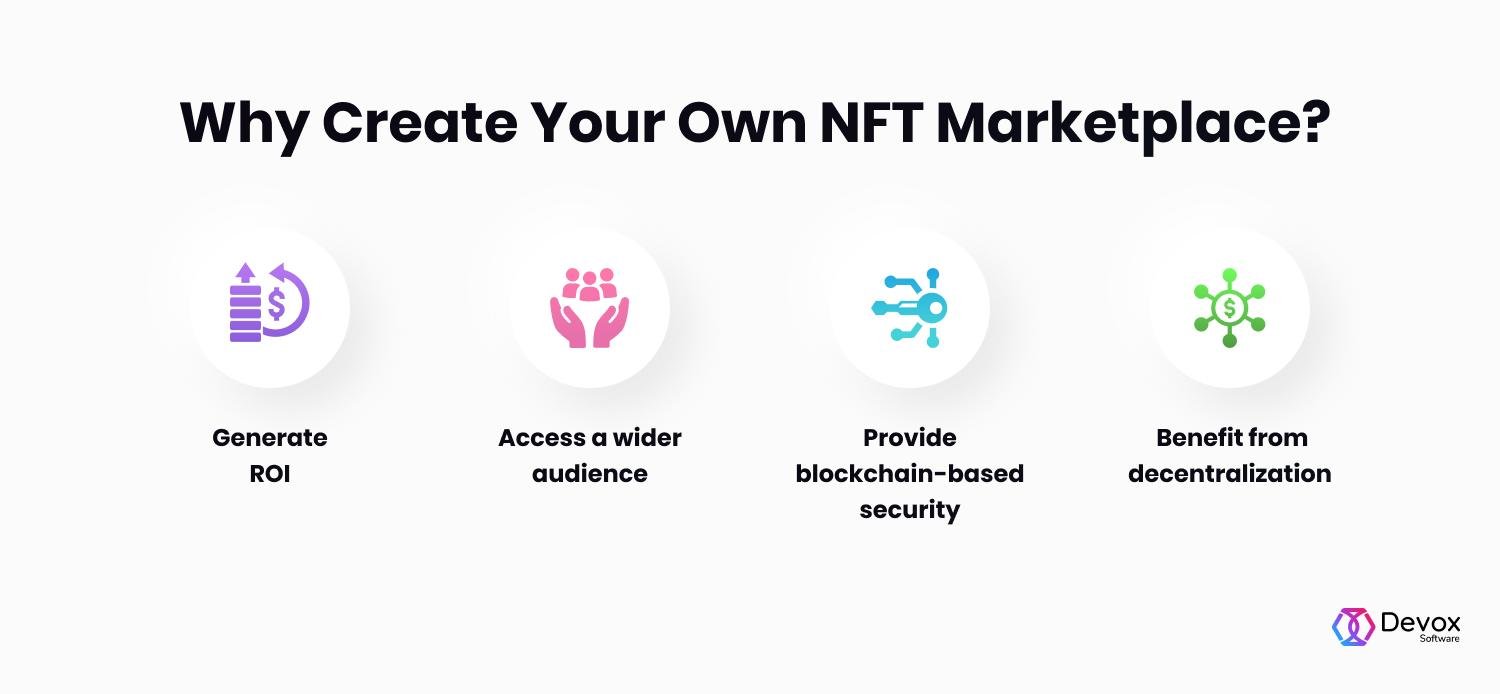
NFT Marketplace Development involves building a platform where users can create, buy, sell, auction, and trade NFTs securely on a blockchain.

Pros & corns

Supports digital ownership

Popular in gaming and art

Market demand changes quickly

Tools: OpenSea, IPFS, Pinata, Moralis

Retail & E-commerce,
Banking & Finance,
Logistics & Transport,
Construction

DeFi Application Development

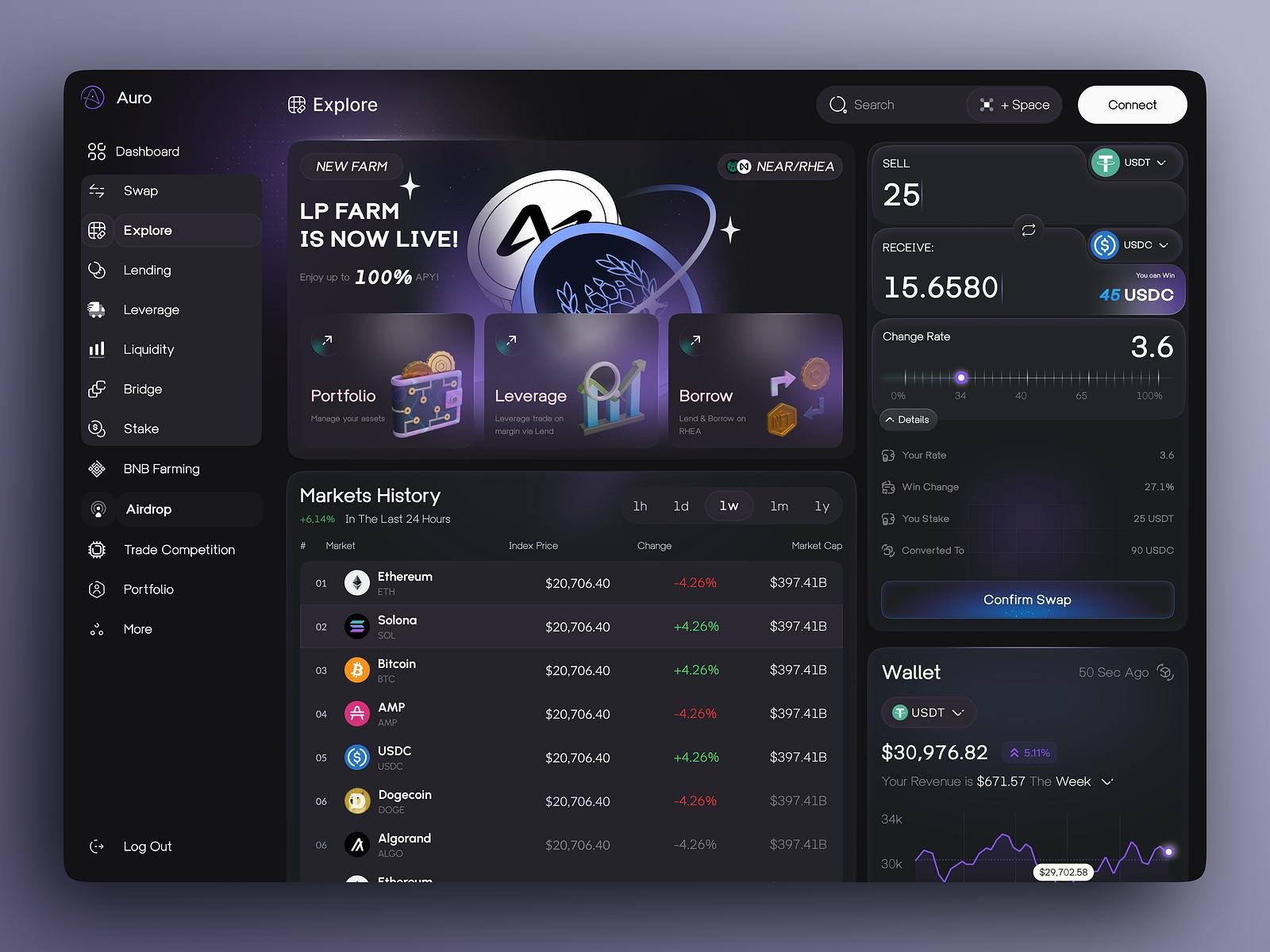
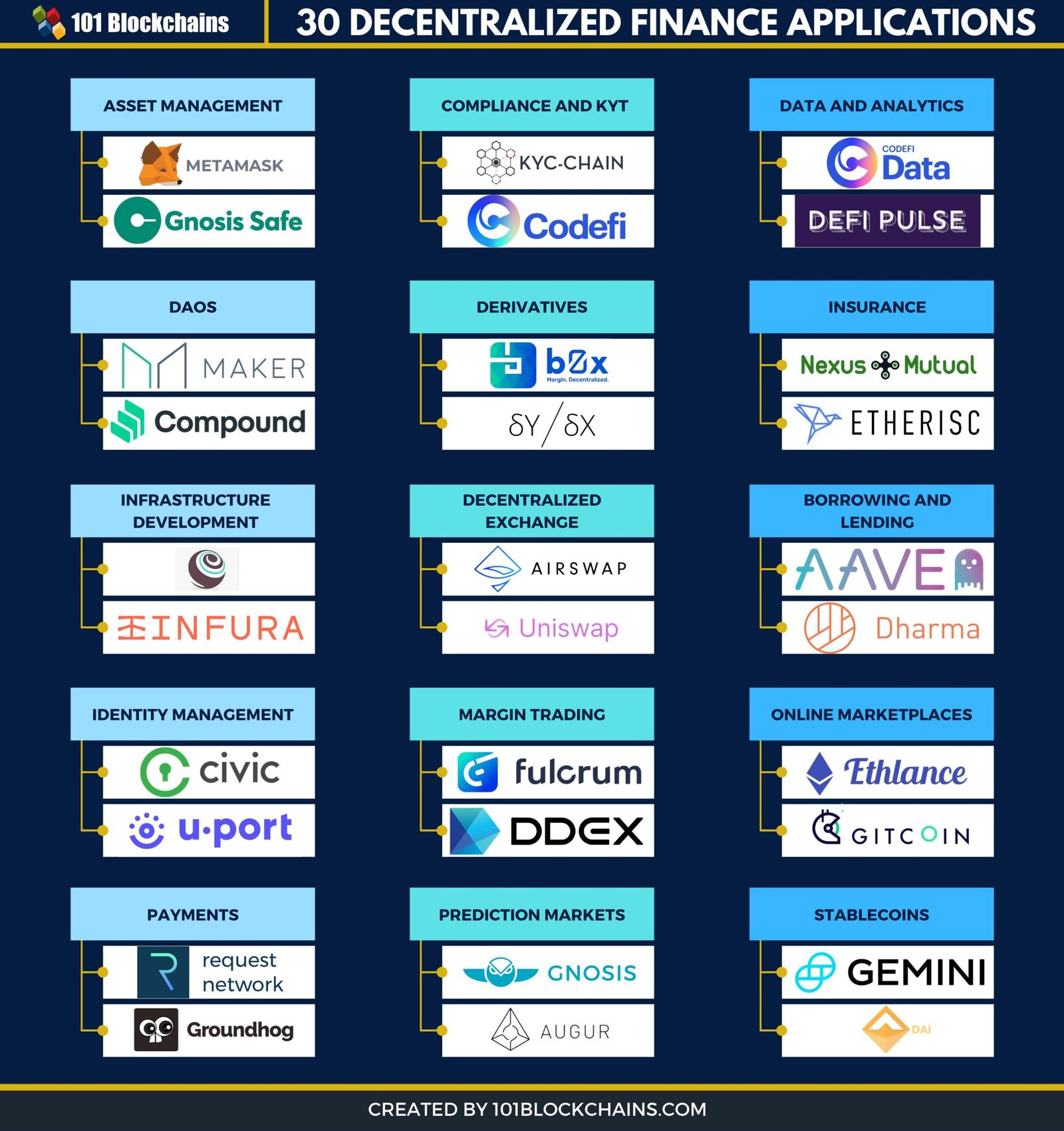
DeFi (Decentralized Finance) Application Development involves building blockchain-based financial applications that work without banks or traditional intermediaries. These applications allow users to lend, borrow, trade, invest, and make payments directly through smart contracts.

Pros & corns

No middleman

Global access

High security risk

Tools: Uniswap, Aave, Chainlink, Web3.js

Banking & Finance,
Insurance,
Education,
Supply Chain

Blockchain Consulting & Integration

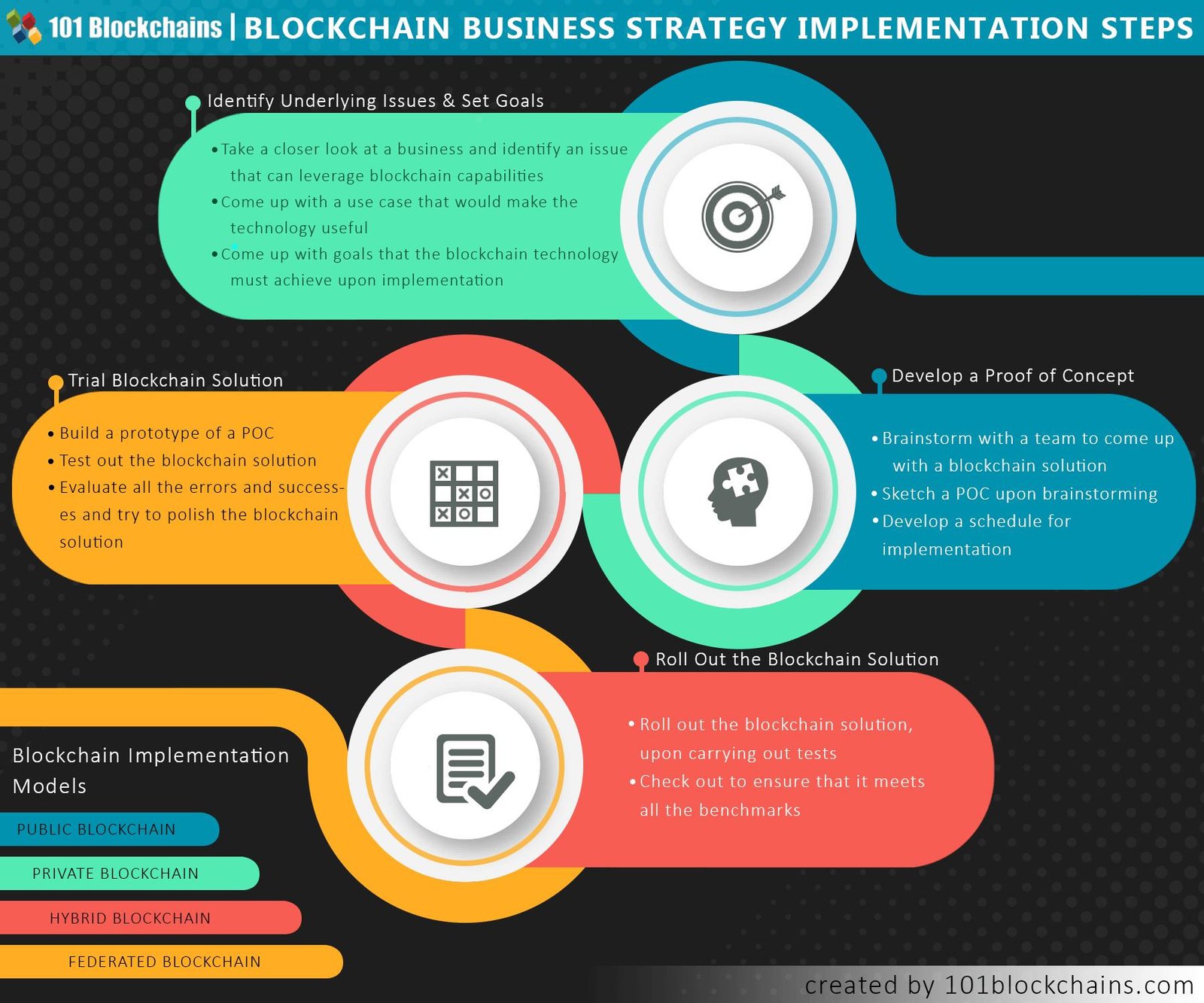
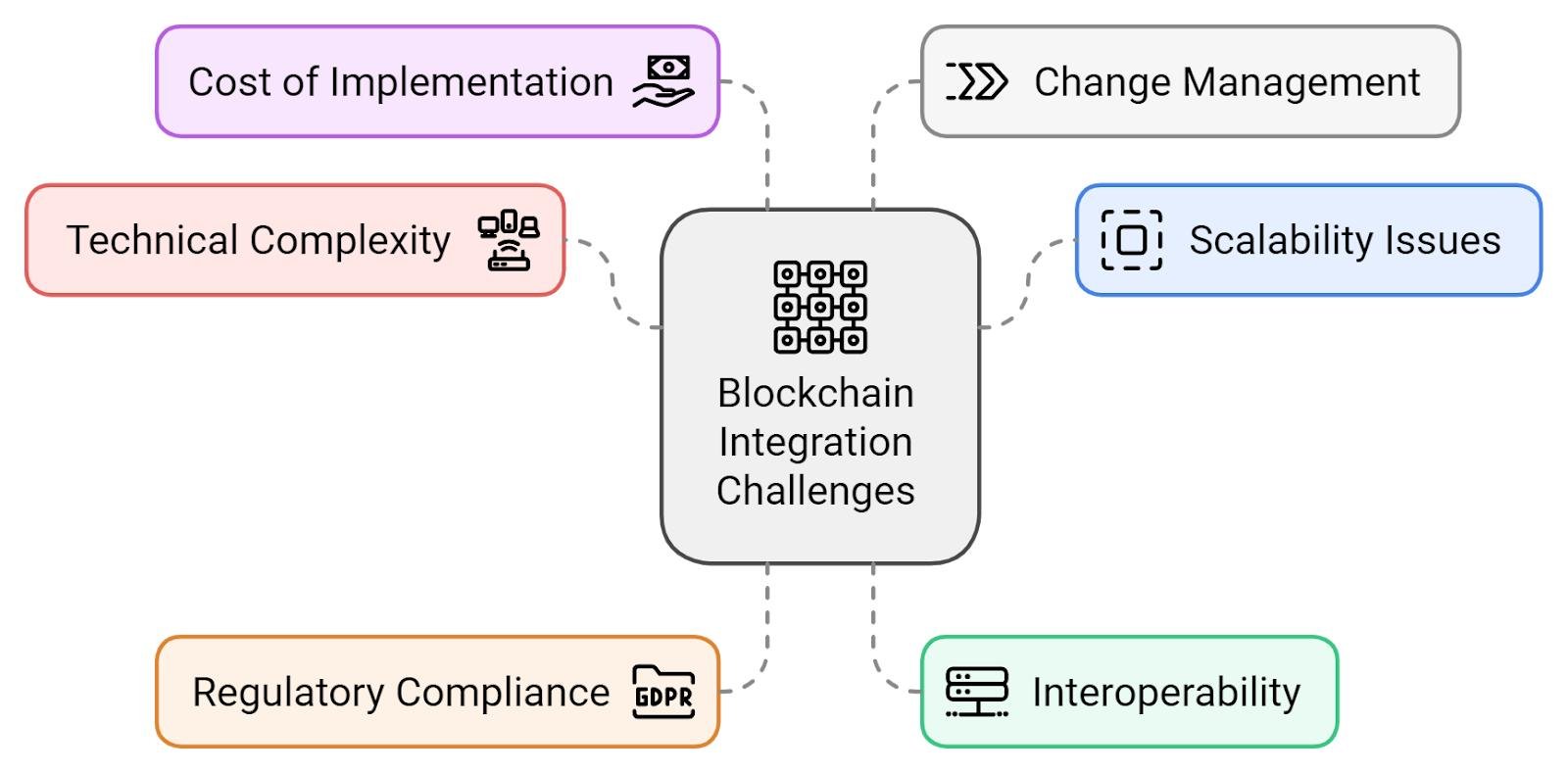
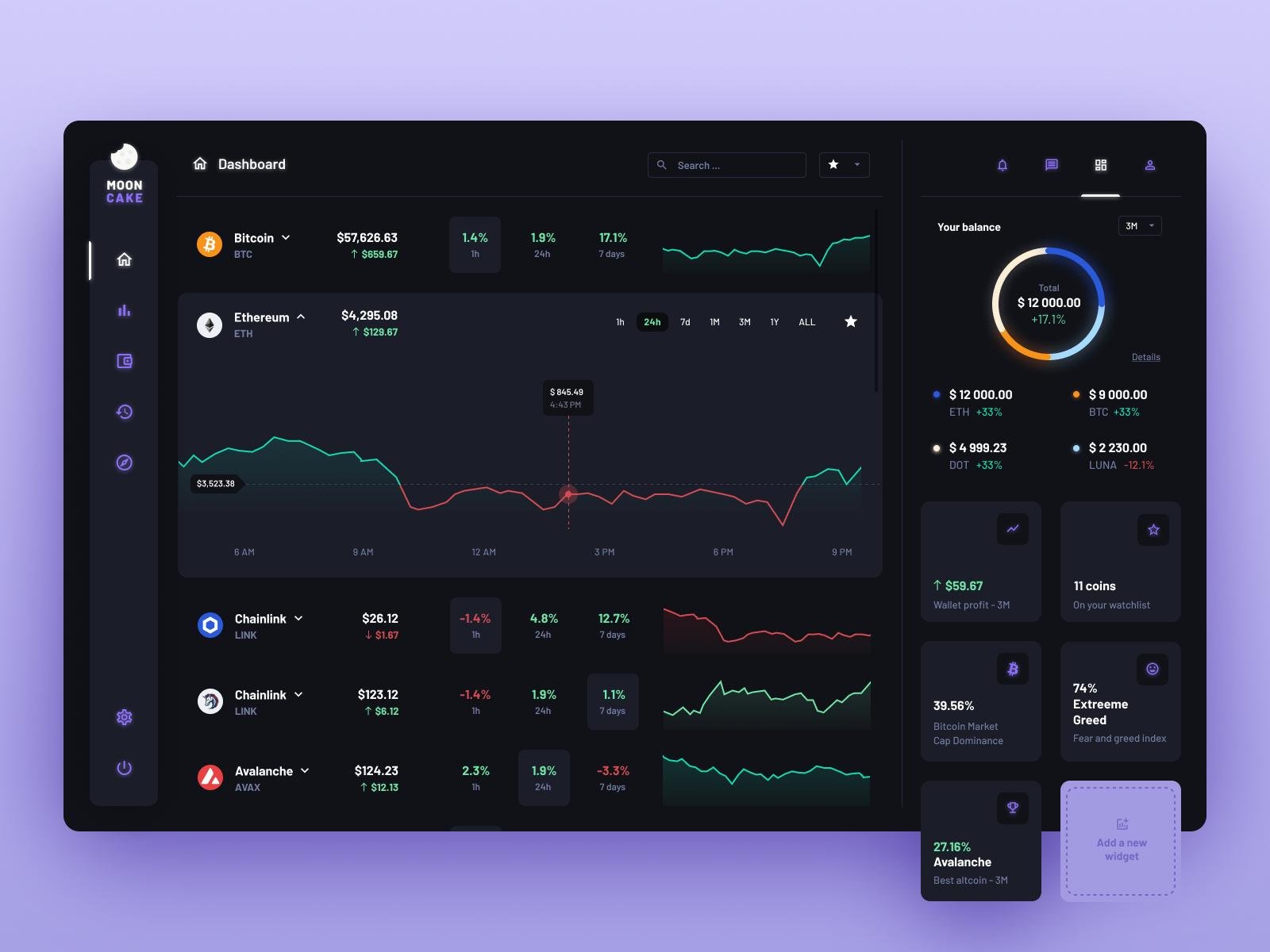
Blockchain Consulting & Integration helps businesses understand, plan, and implement blockchain technology into their existing systems. It includes choosing the right blockchain platform, designing the architecture, integrating with ERP, CRM, payment gateways, supply chain, and other business software.

Pros & corns

Reduces project risk

Ensures correct technology selection

Requires expert team

Tools: Postman, Docker, Node.js, MongoDB

Banking & Finance,
Agriculture,
Media & Entertainment,
Travel & Hospitality