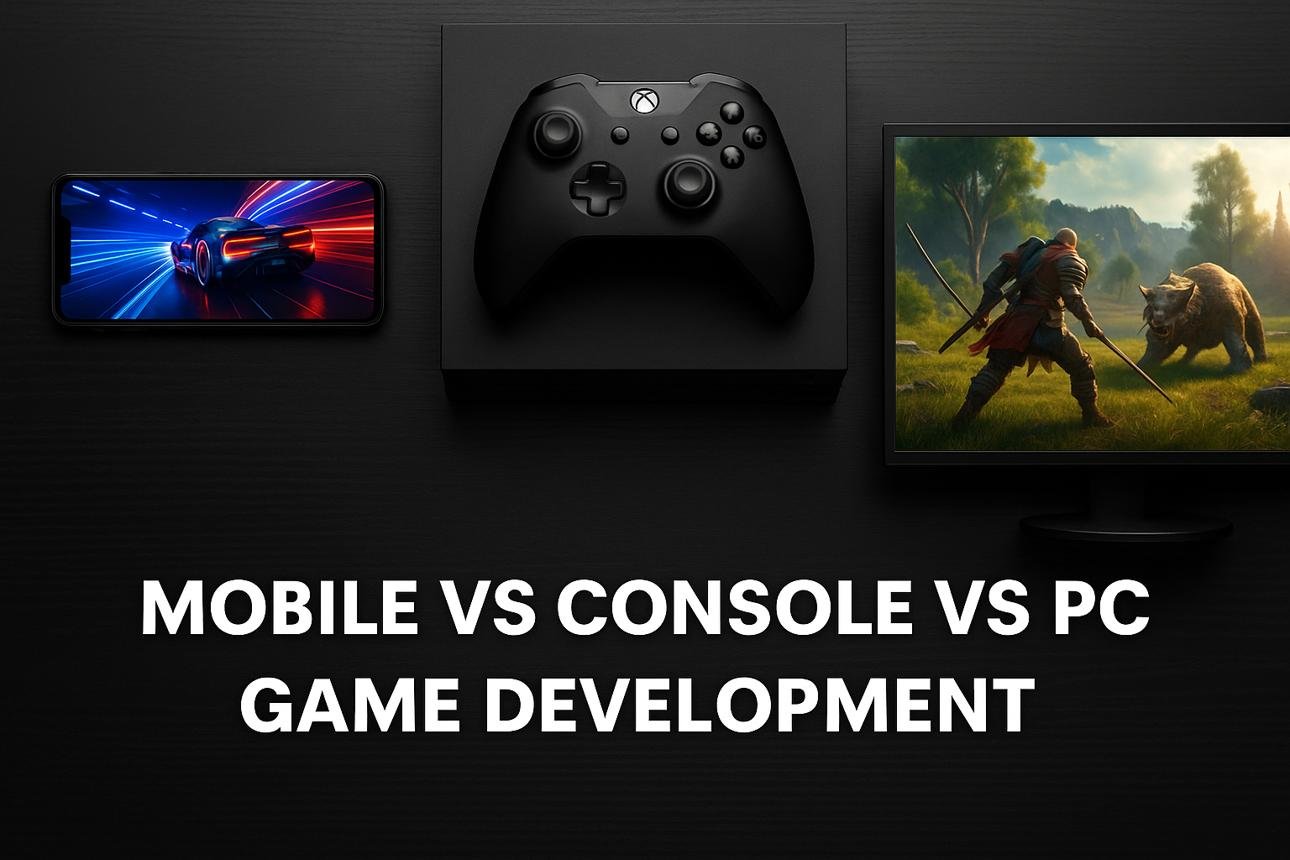
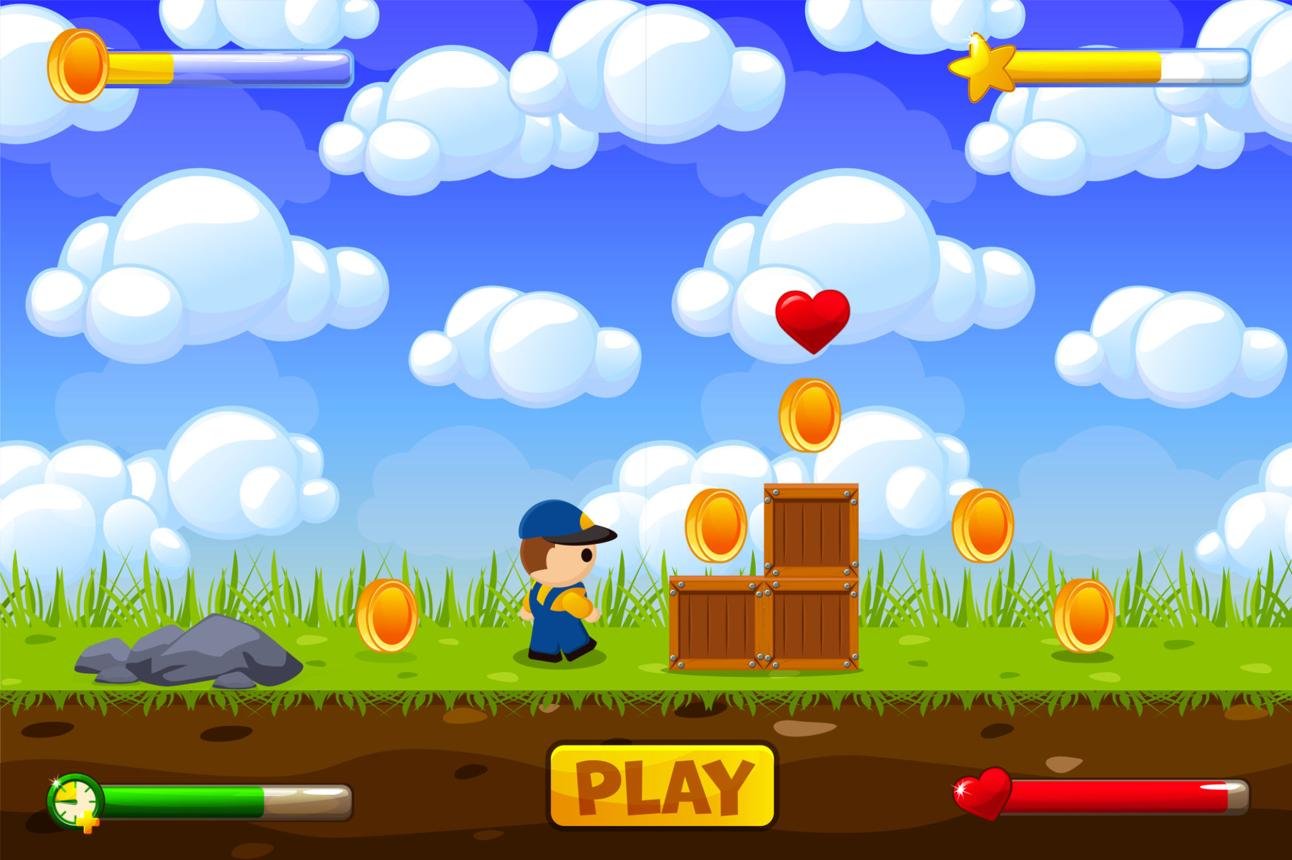
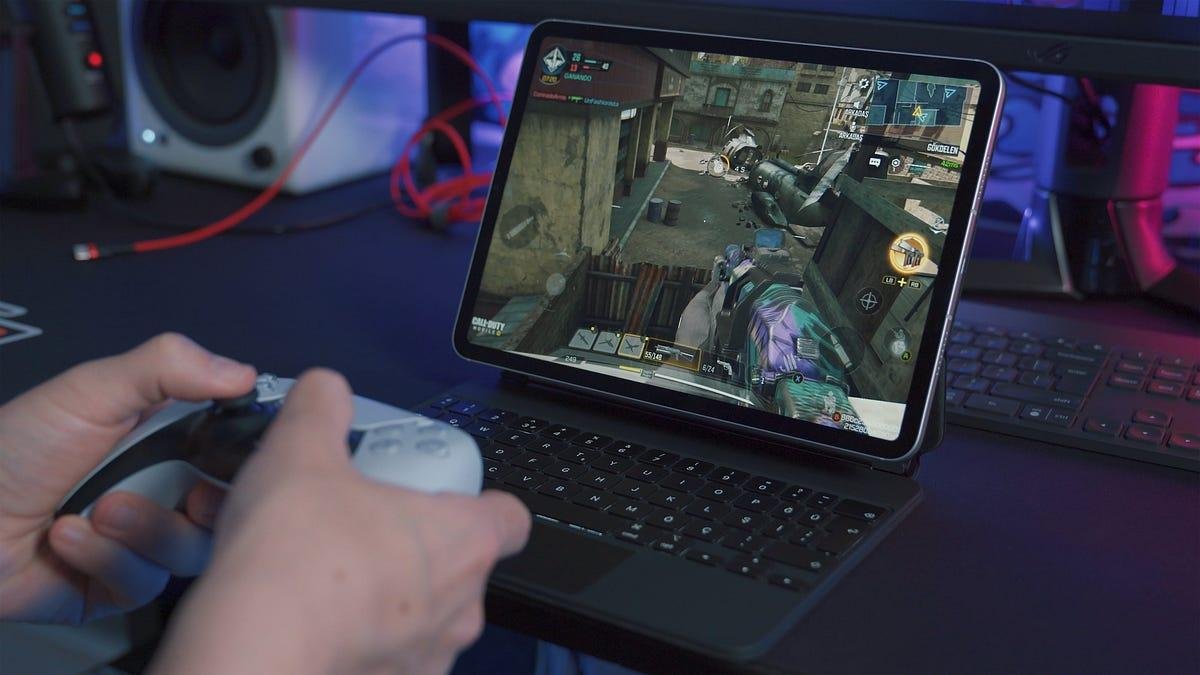
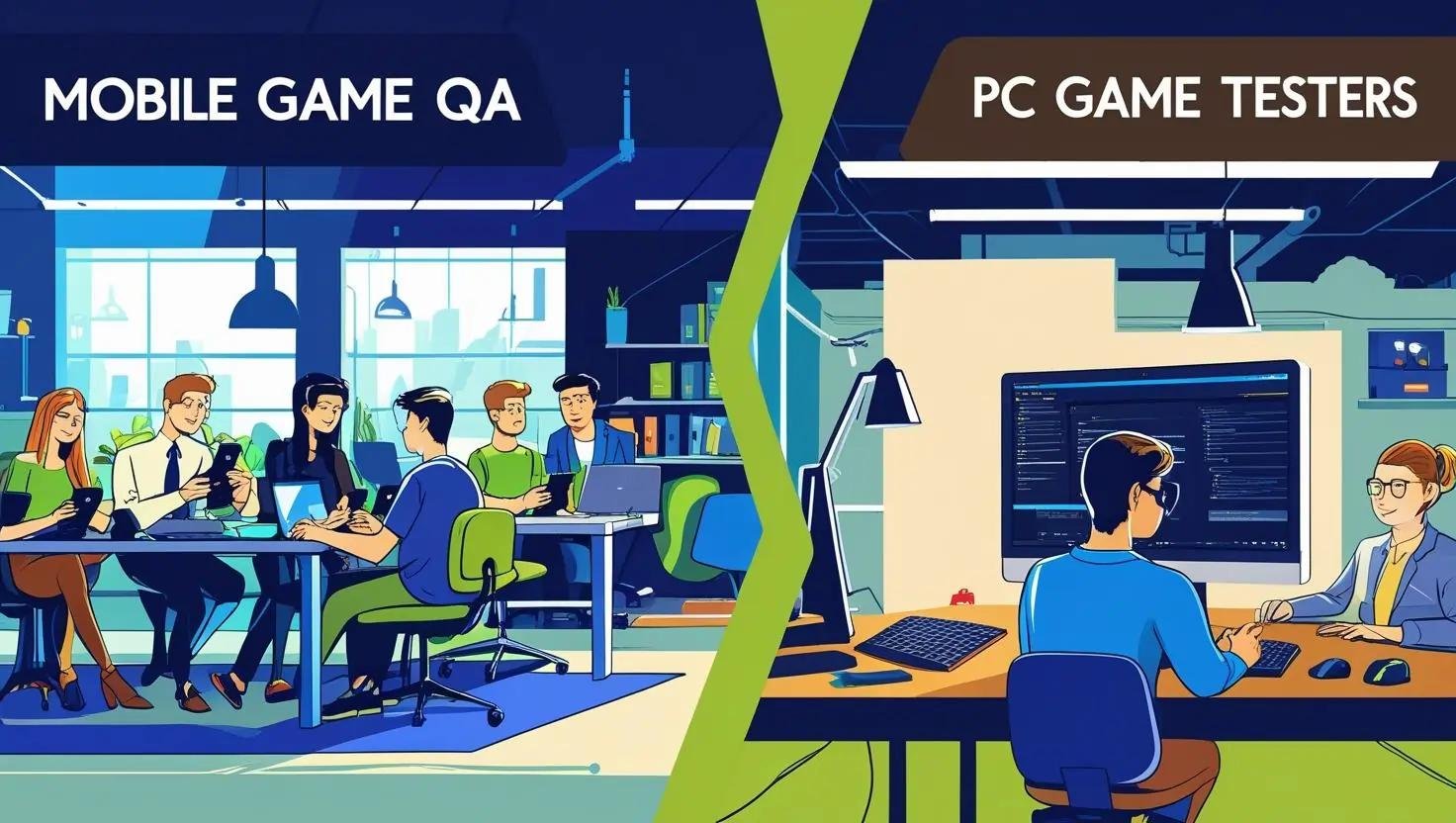
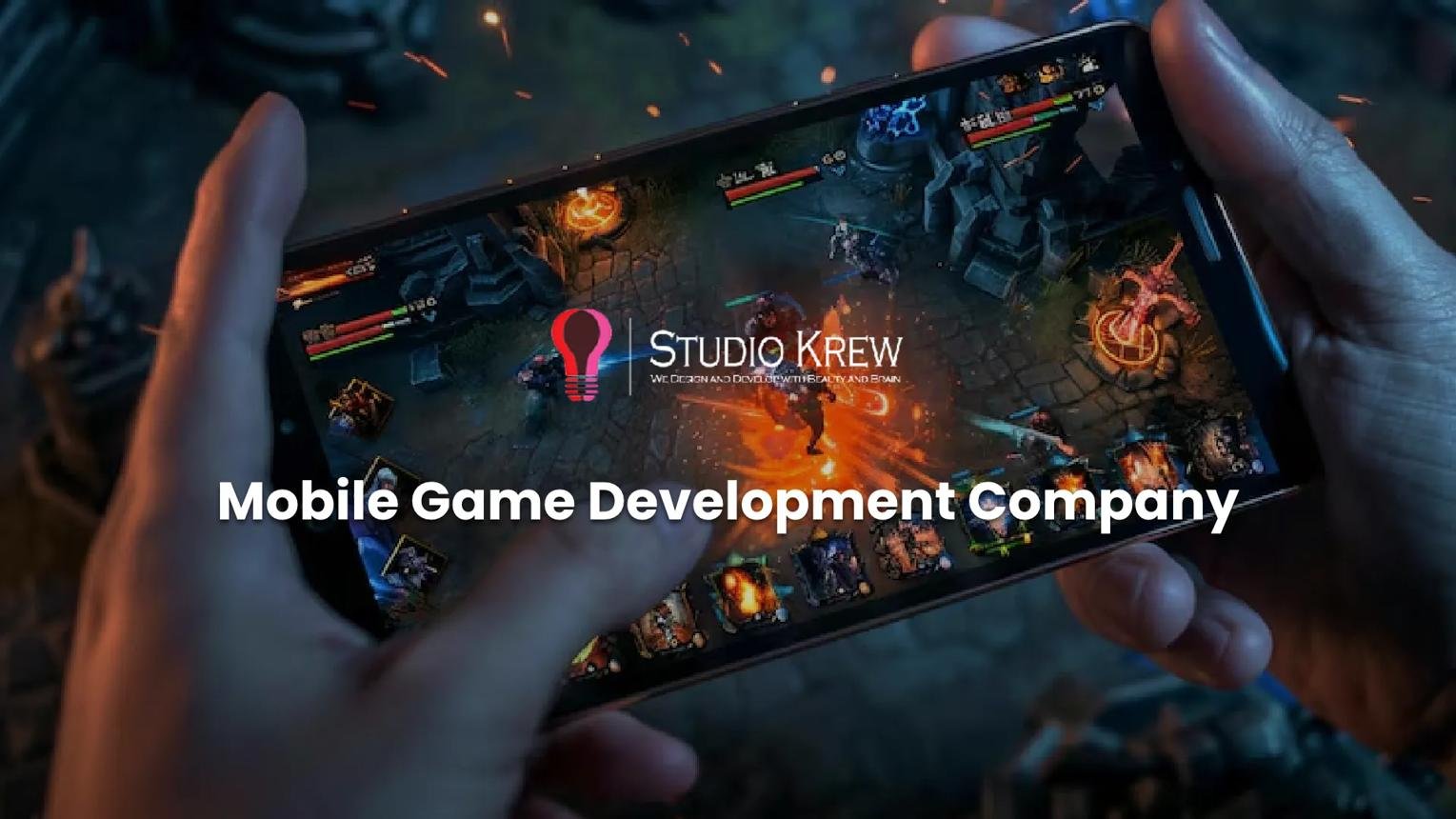
Mobile Game Development focuses on creating interactive games for smartphones and tablets. It includes designing gameplay, graphics, animations, sound, and user controls to deliver engaging and immersive gaming experiences across Android and iOS devices.


PC Game Development focuses on creating high-performance games for desktop platforms (Windows, macOS, Linux). It involves advanced graphics, gameplay mechanics, AI, physics, and immersive storytelling to deliver rich gaming experiences with better control and performance compared to mobile games.


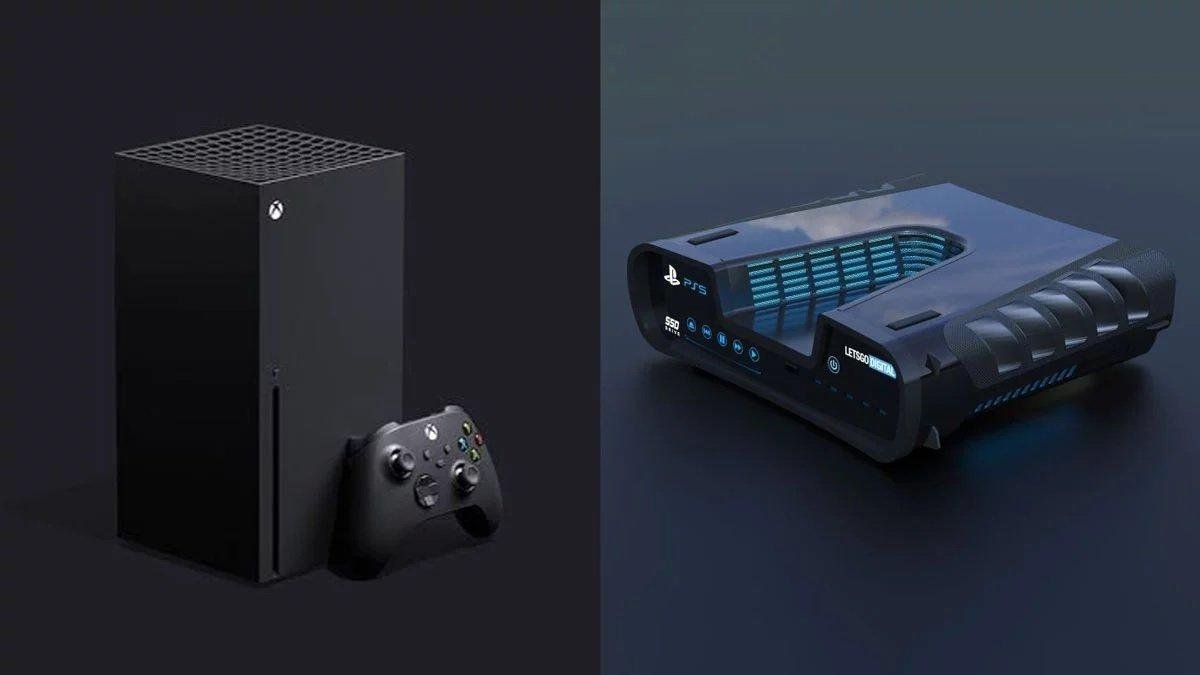
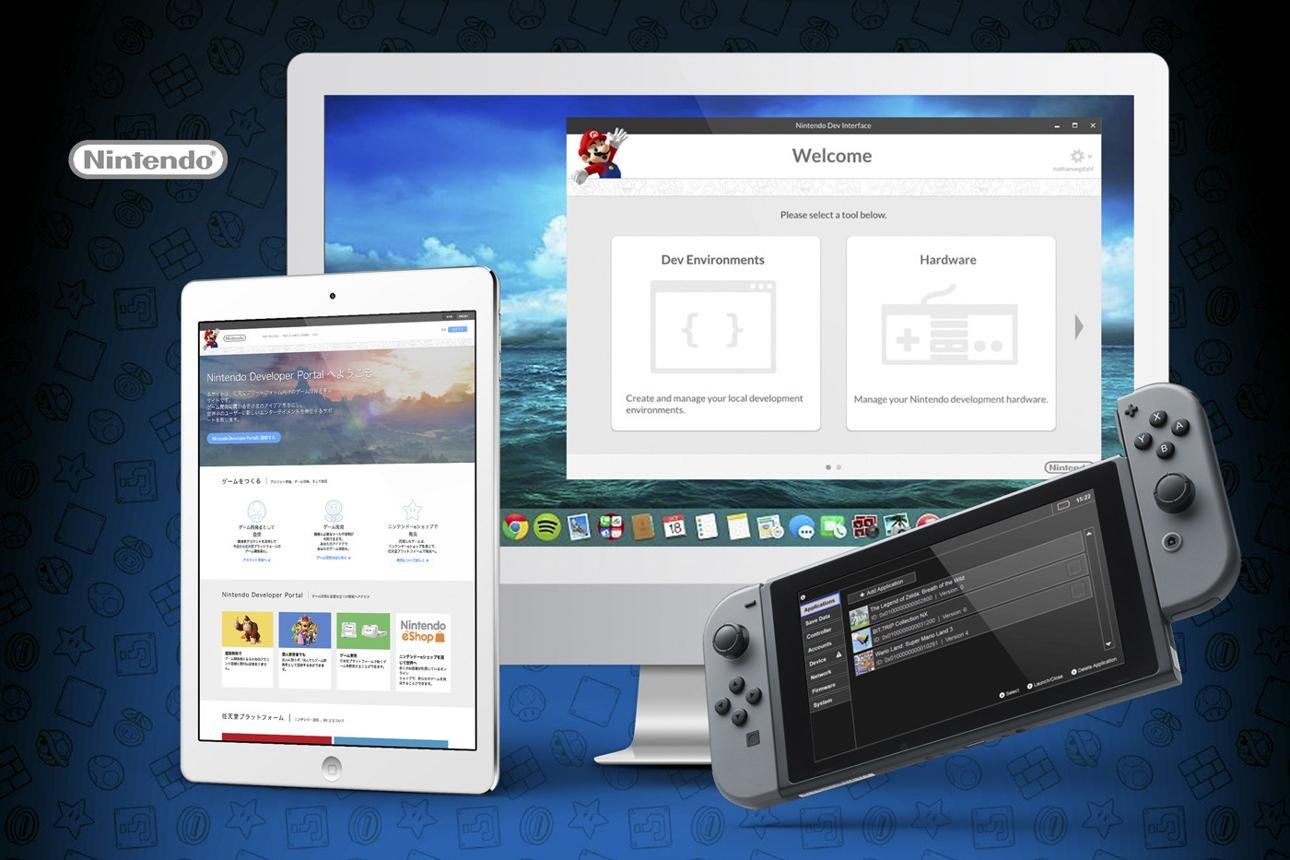
Console Game Development focuses on creating high-performance games for gaming consoles like PlayStation, Xbox, and Nintendo Switch. These games are optimized for powerful hardware, delivering immersive gameplay, advanced graphics, and smooth performance with controller-based interaction.


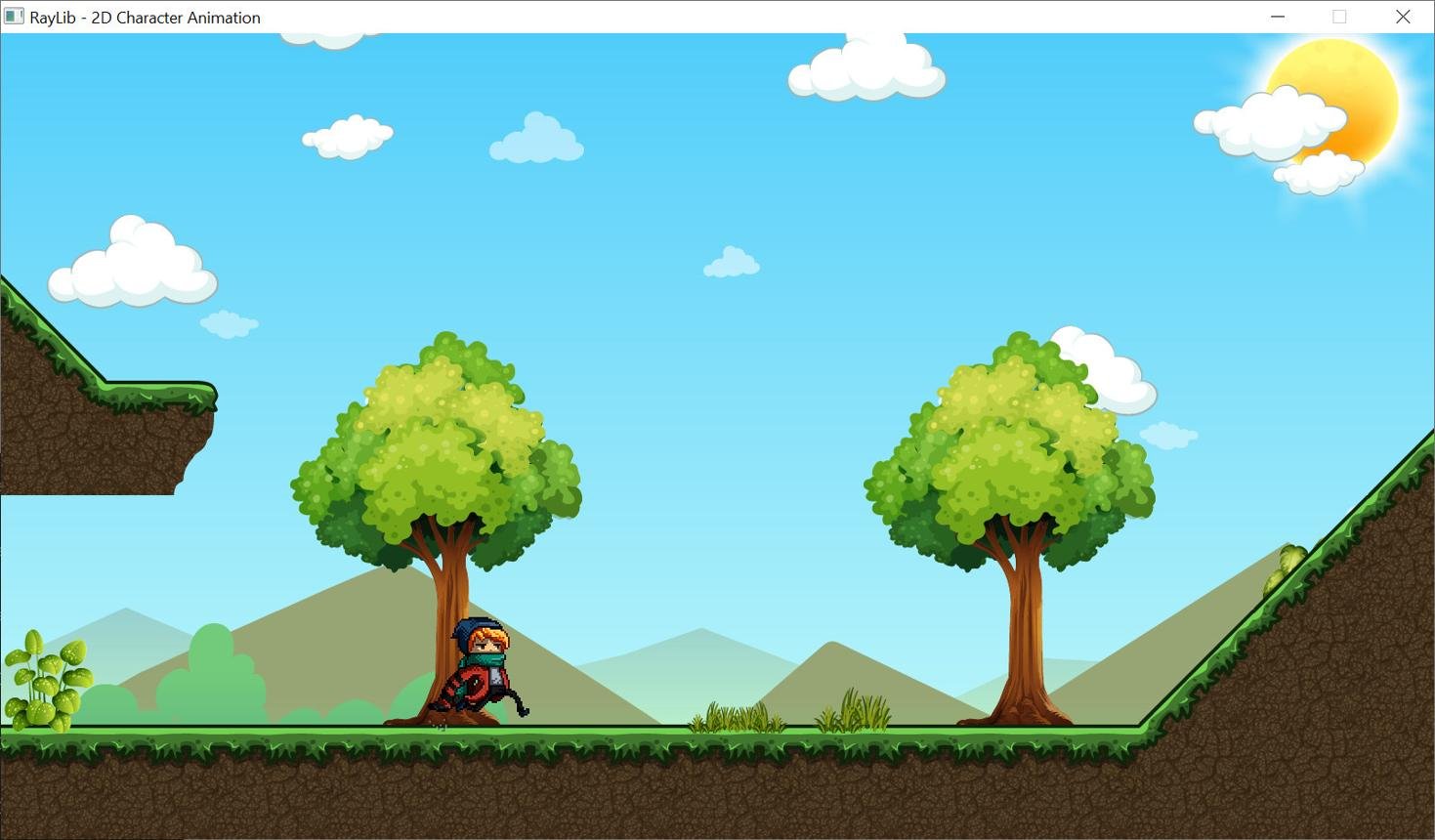
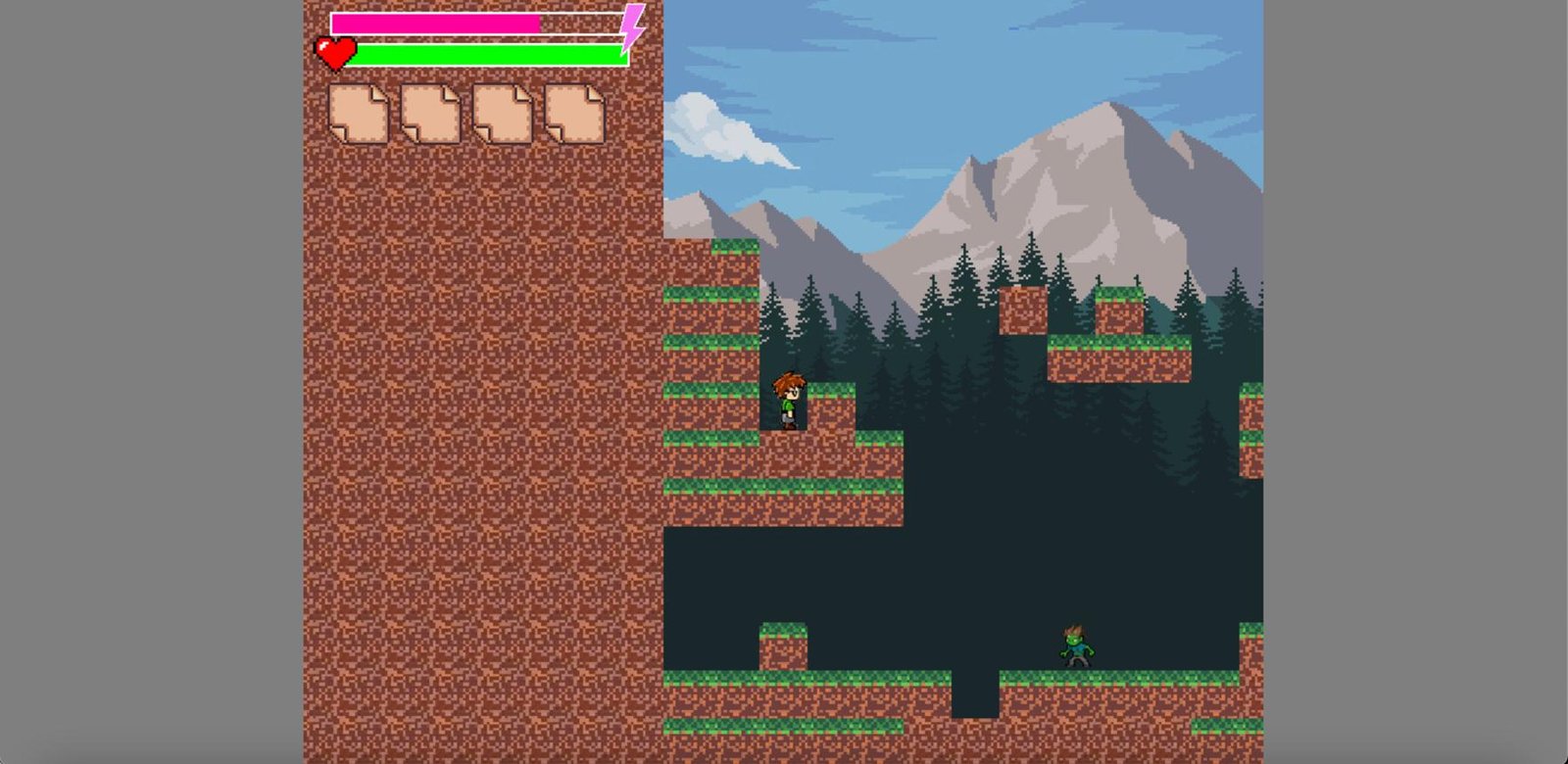
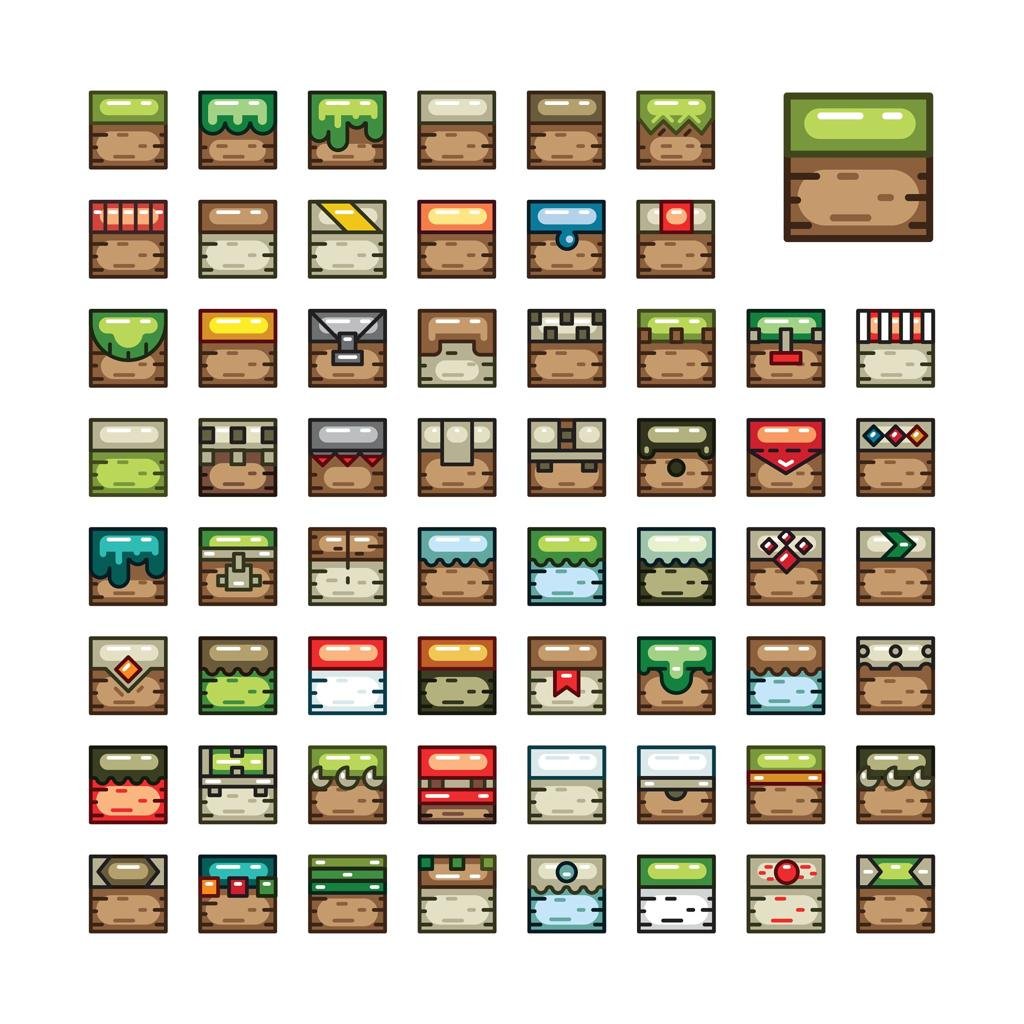
2D Game Development focuses on creating games in a two-dimensional environment using sprites, animations, and simple physics. These games are lightweight, fast, and highly engaging, making them ideal for mobile, web, and indie platforms.


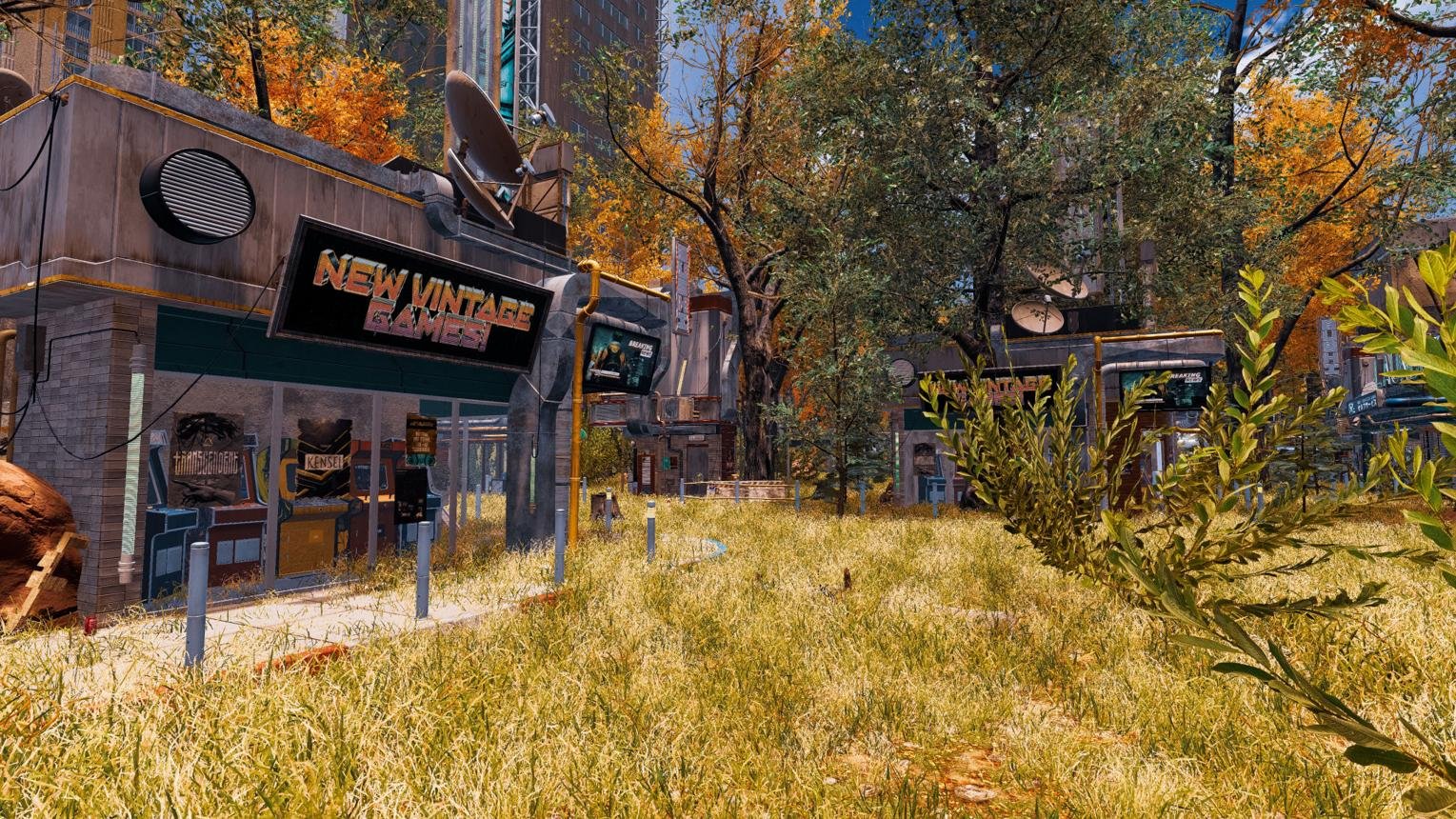
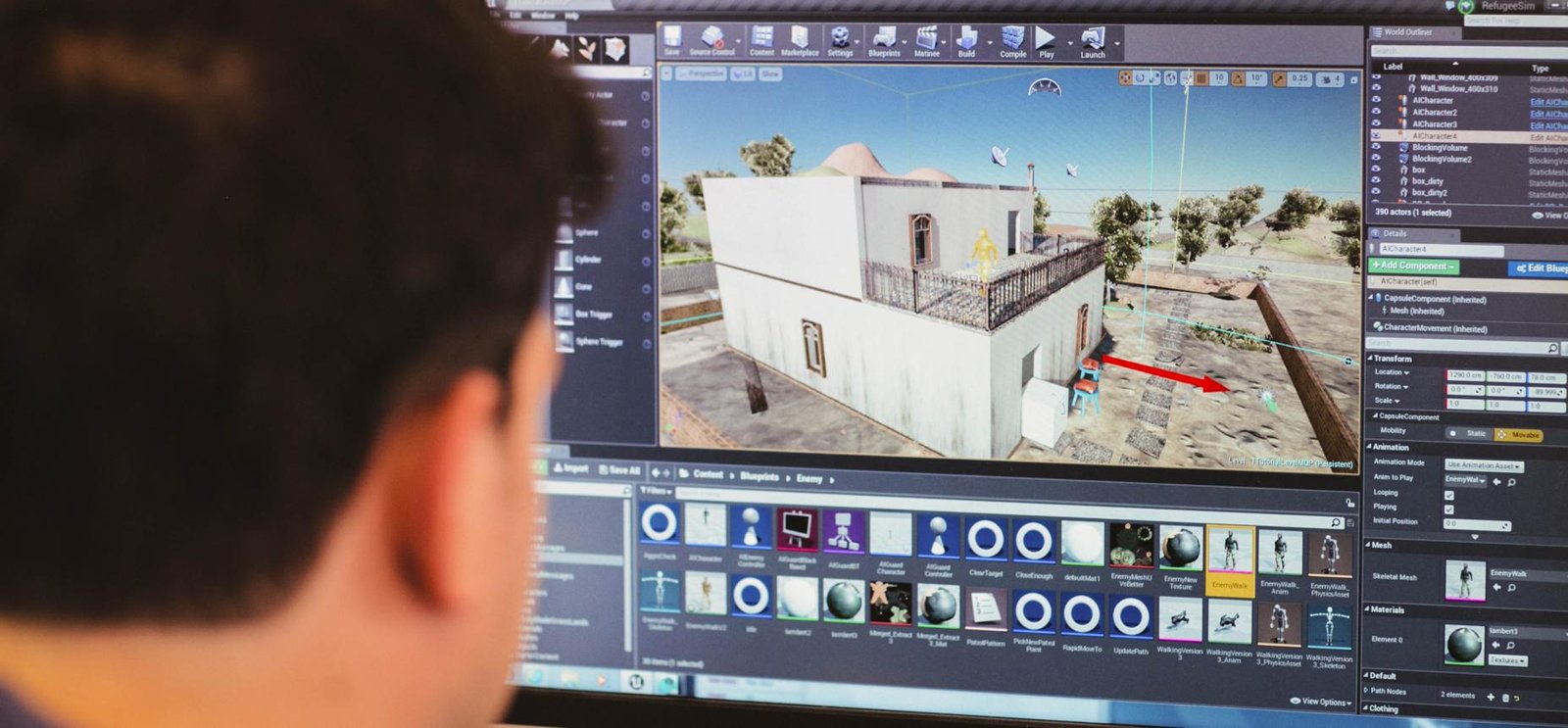
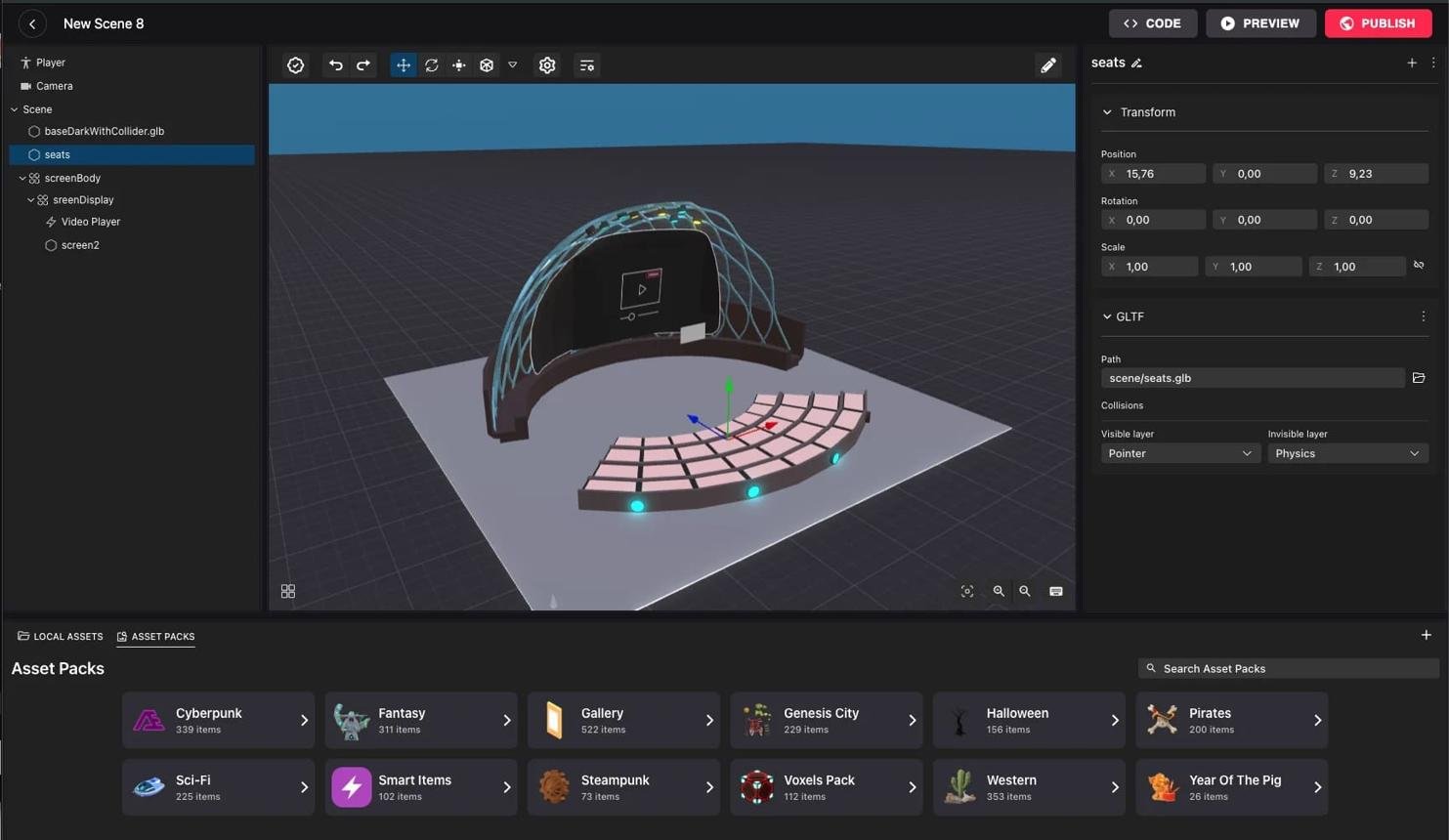
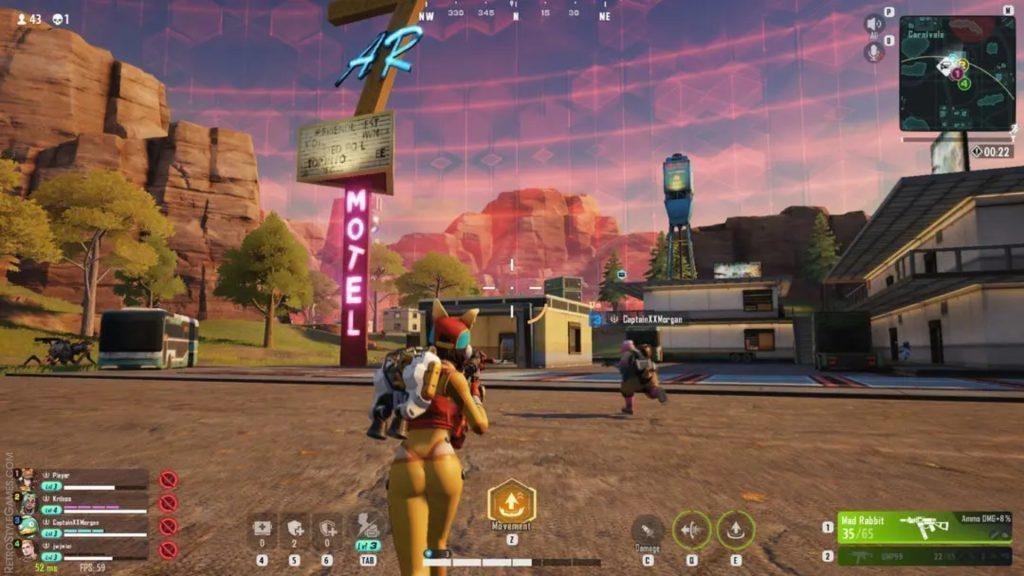
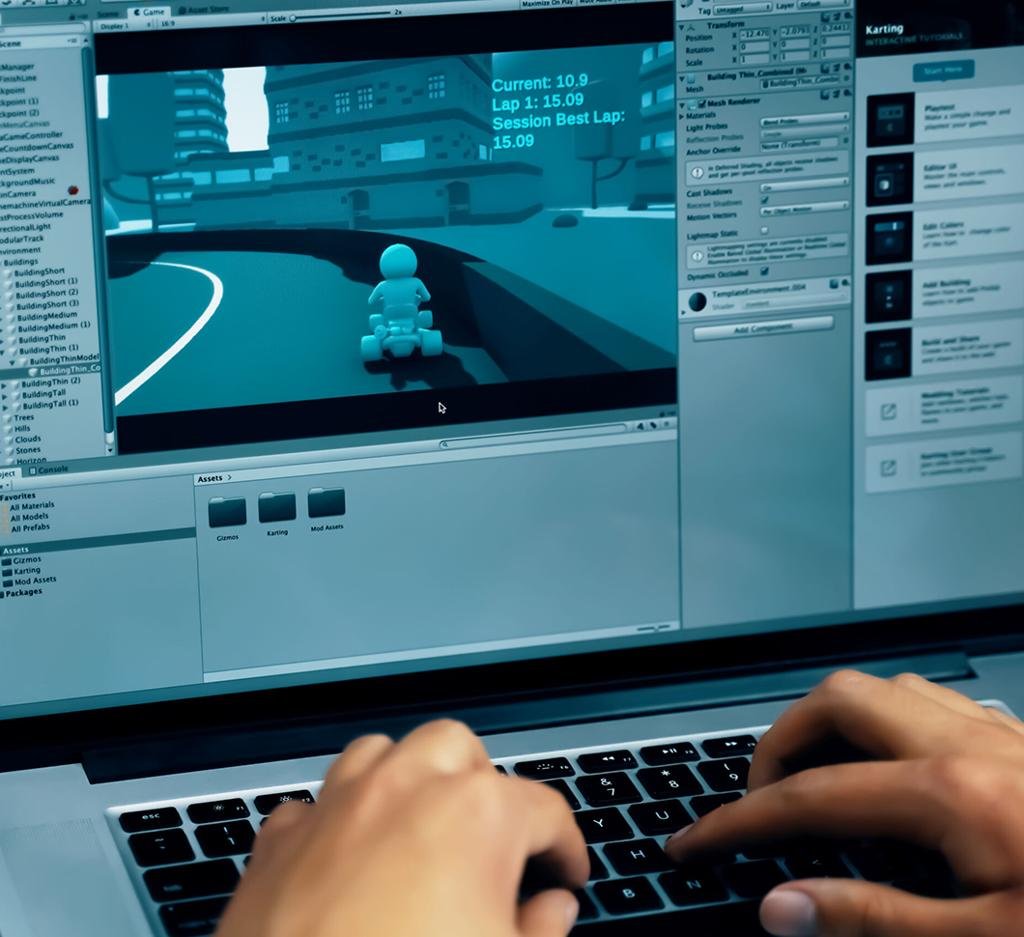
3D Game Development focuses on creating games in a three-dimensional environment with realistic graphics, depth, lighting, and physics. It delivers immersive gameplay with detailed characters, environments, and advanced interactions across PC, console, and mobile platforms.





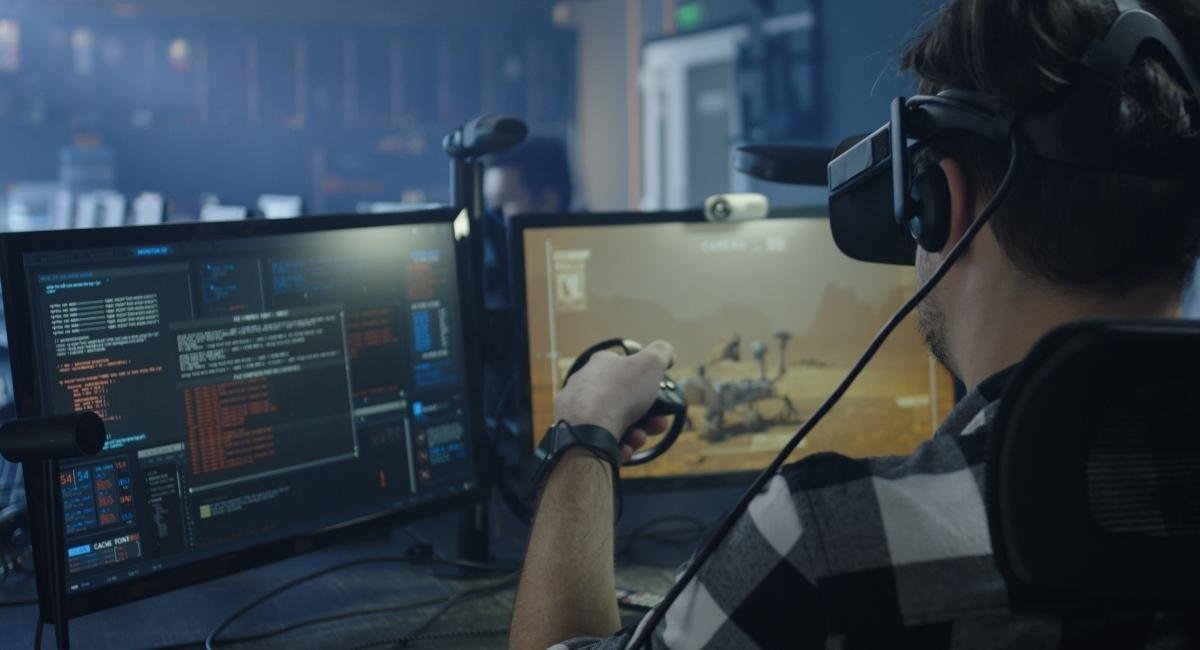
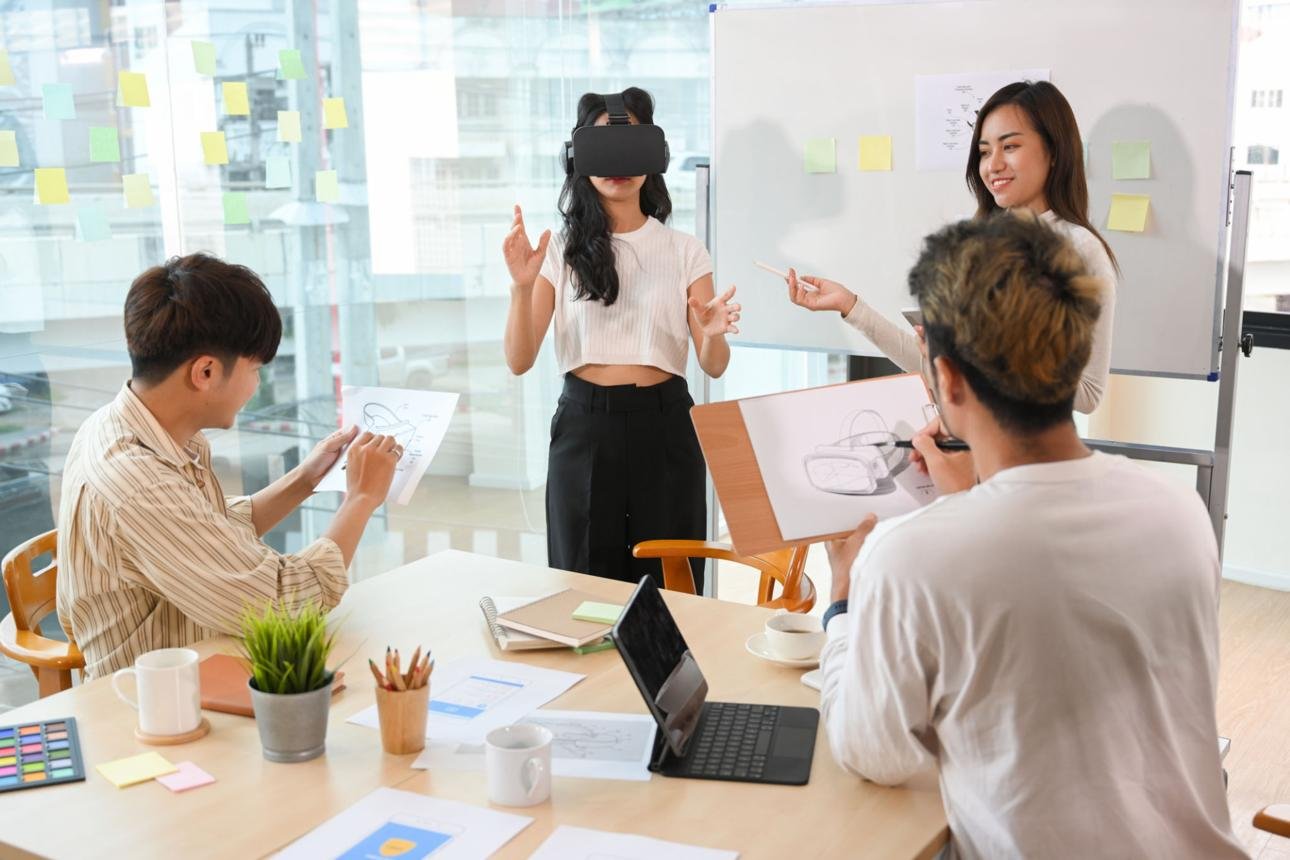
AR / VR Game Development focuses on creating immersive gaming experiences where players can interact with digital environments in a more realistic and engaging way. AR blends virtual elements into the real world, while VR places users inside a fully digital world for deeper gameplay experiences.


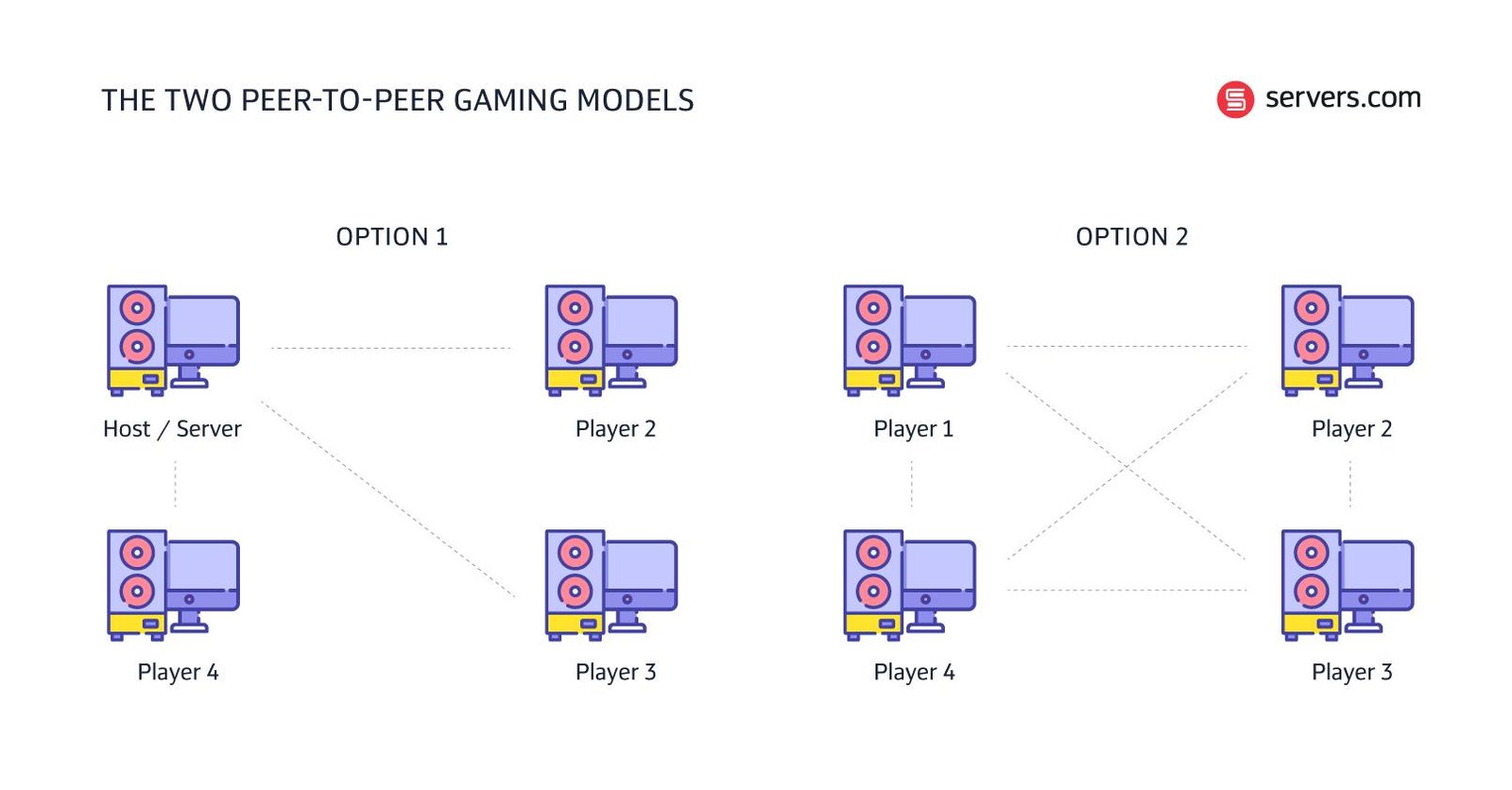
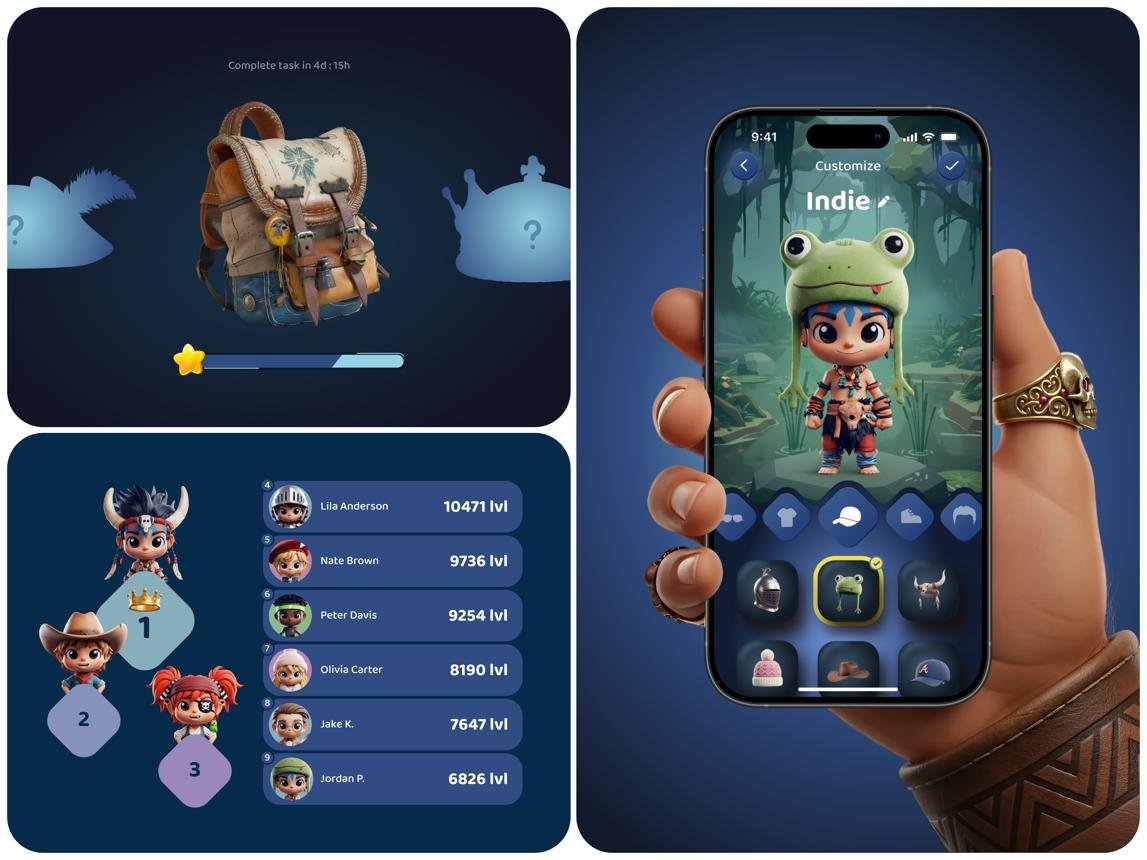
Multiplayer / Online Game Development focuses on creating games where multiple players can interact in real-time over the internet or a network. It includes features like live gameplay, matchmaking, leaderboards, chat systems, and cloud-based data synchronization.


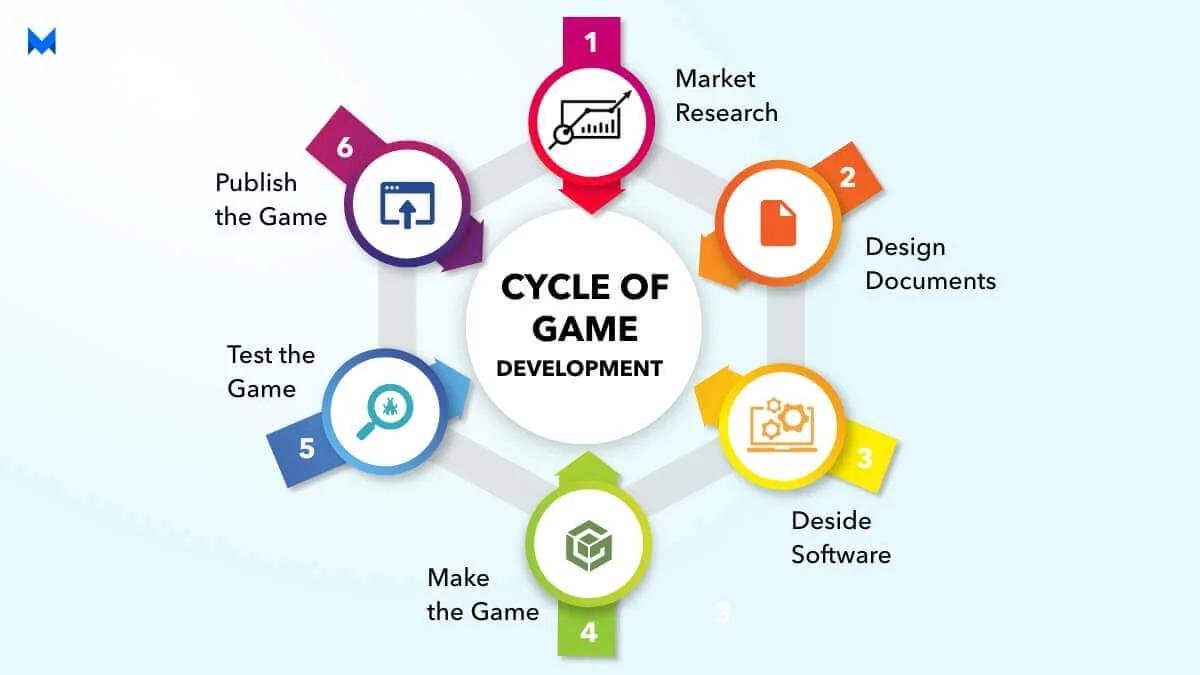
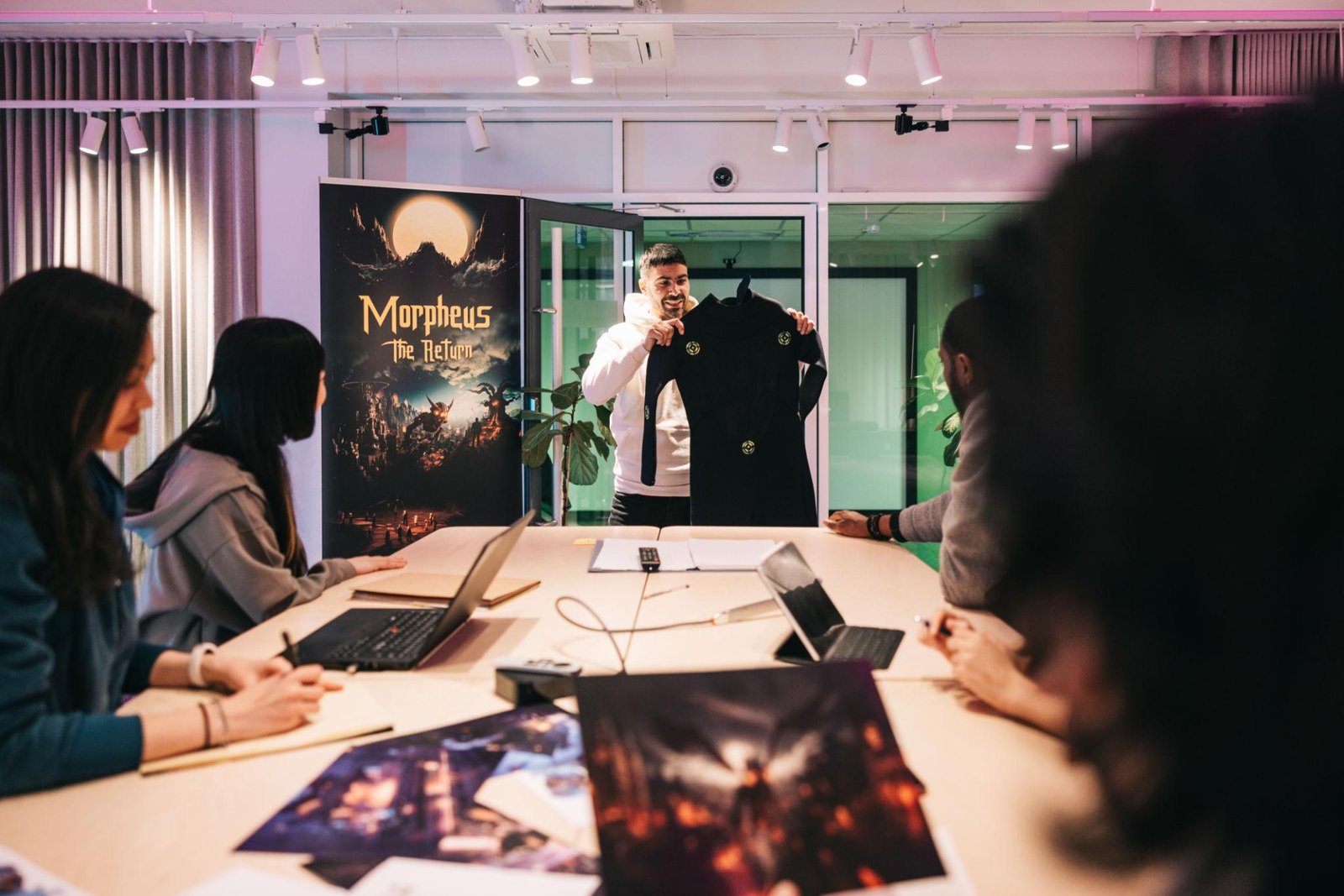
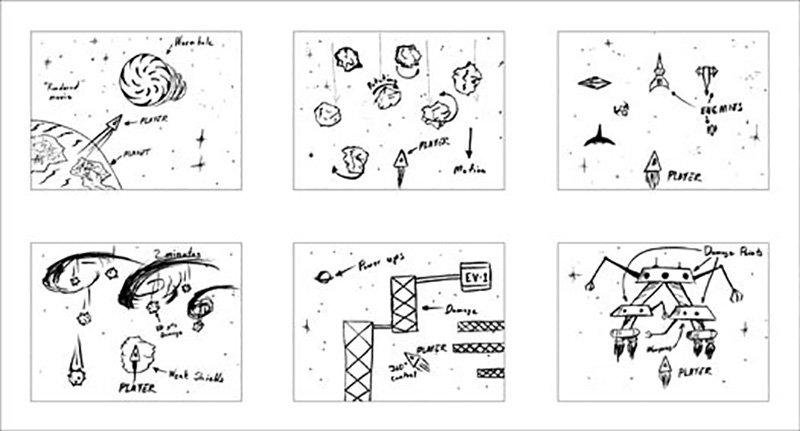
Game Design & Concept Creation involves ideation, storytelling, gameplay mechanics design, character creation, level planning, and UI/UX structuring. It ensures the game has a clear vision, engaging flow, and a strong user experience before moving into development.


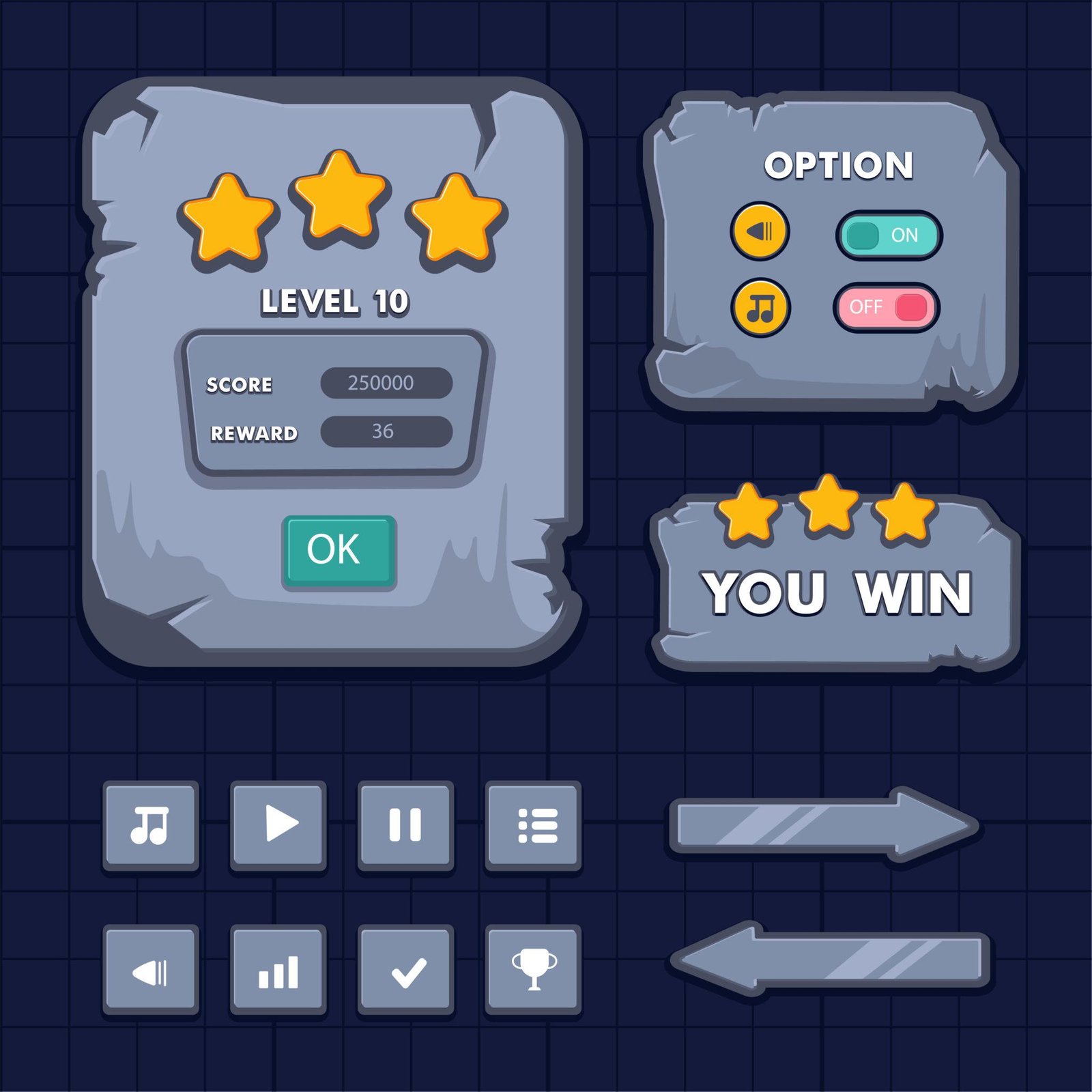
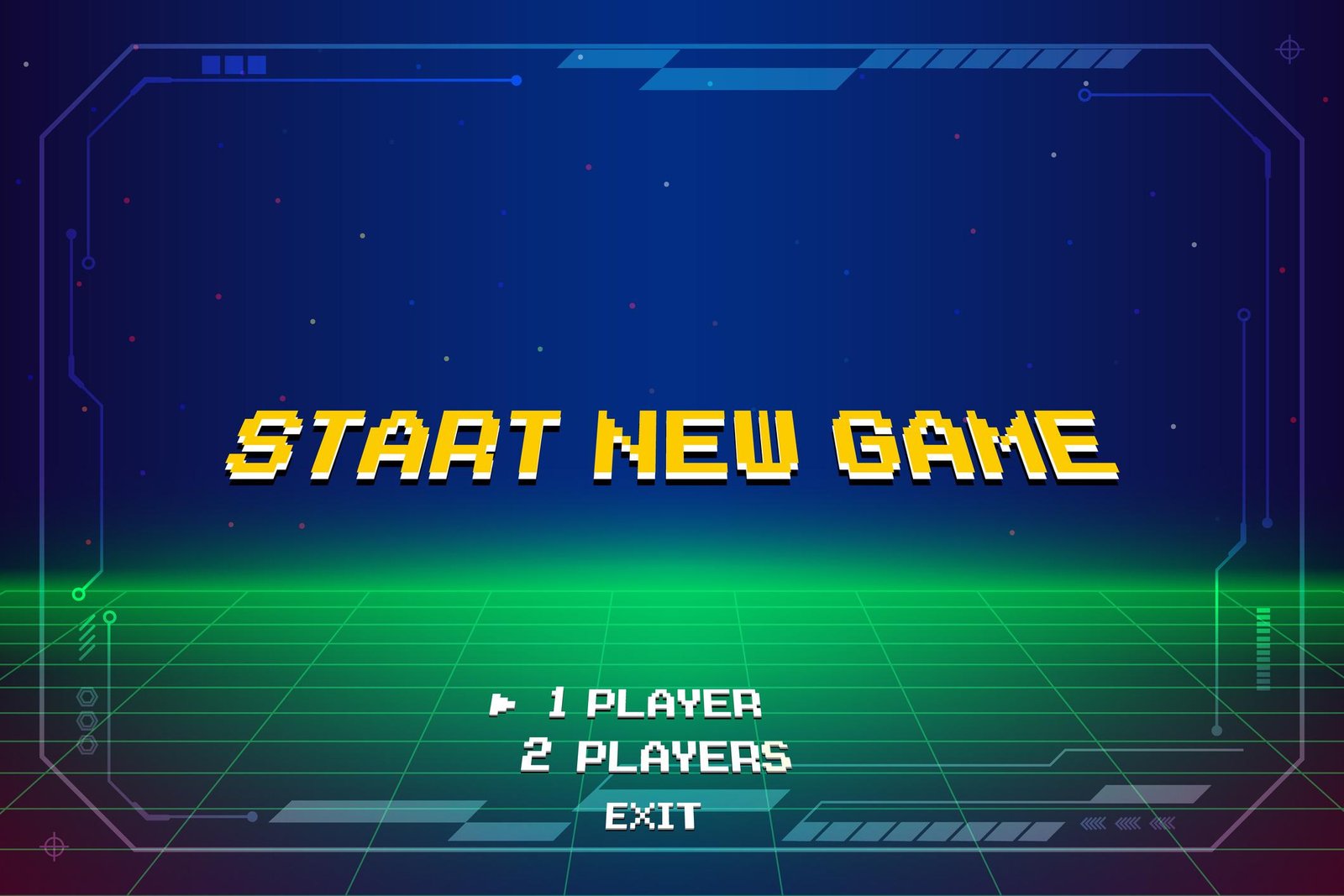
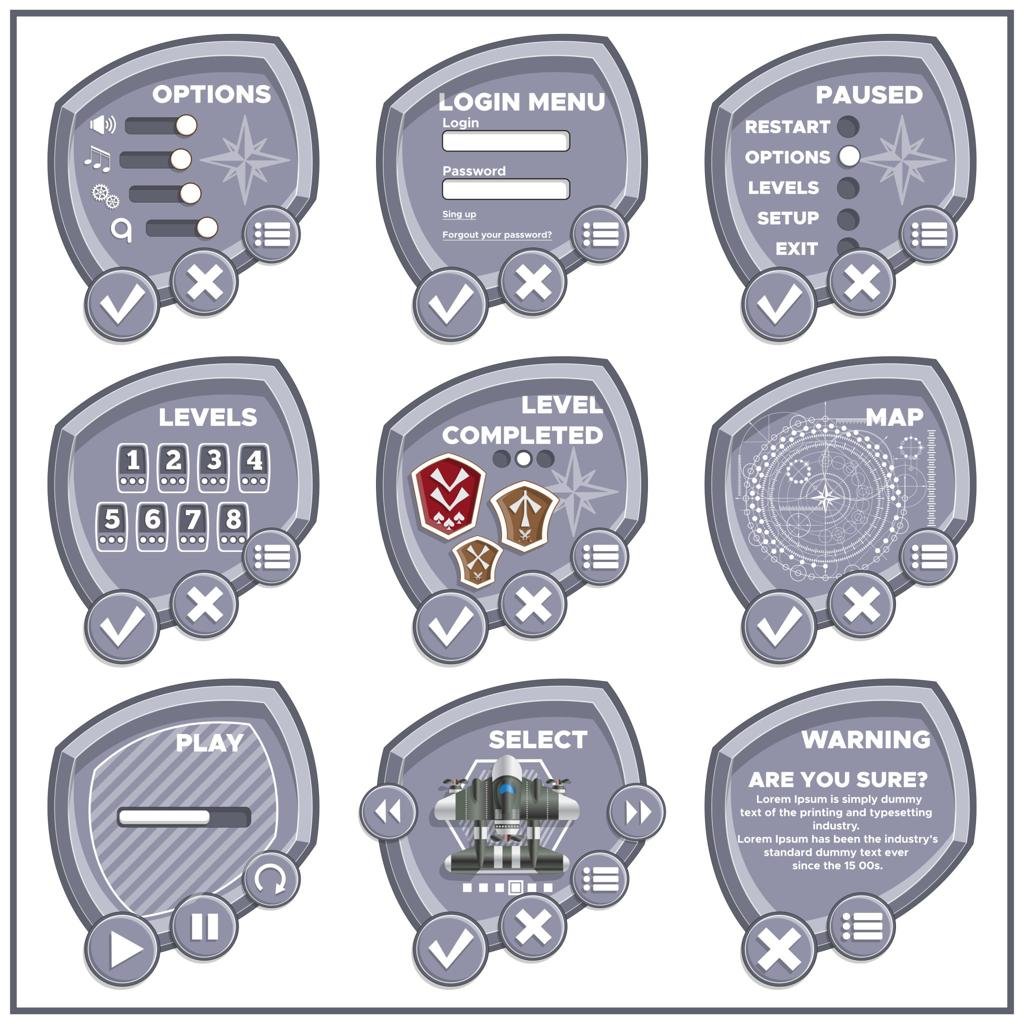
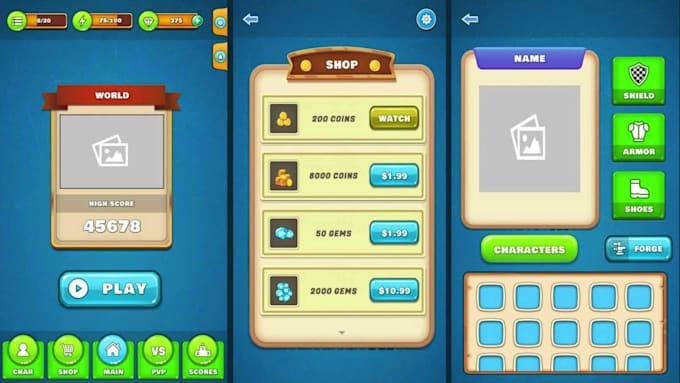
Game UI / UX Design involves designing menus, HUD (Heads-Up Display), buttons, icons, navigation systems, and overall player interaction flow. It ensures players can easily understand controls, access features, and enjoy a seamless gaming experience.


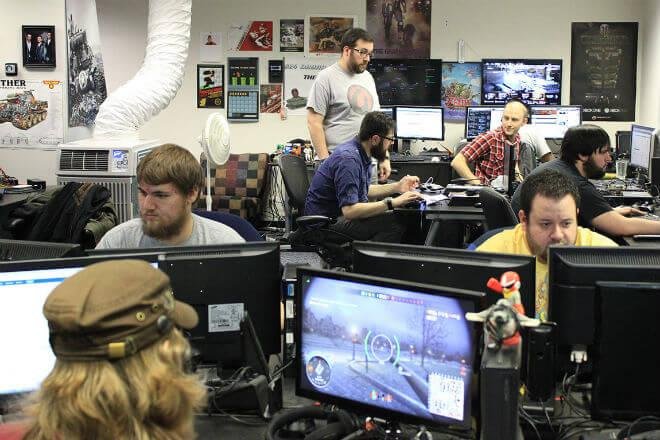
Game Testing & QA involves identifying bugs, testing gameplay mechanics, verifying performance, and ensuring compatibility across devices. It includes manual and automated testing to deliver a stable, high-quality game before release.