Home/Case Details

Custom ERP

Industry-Specific ERP

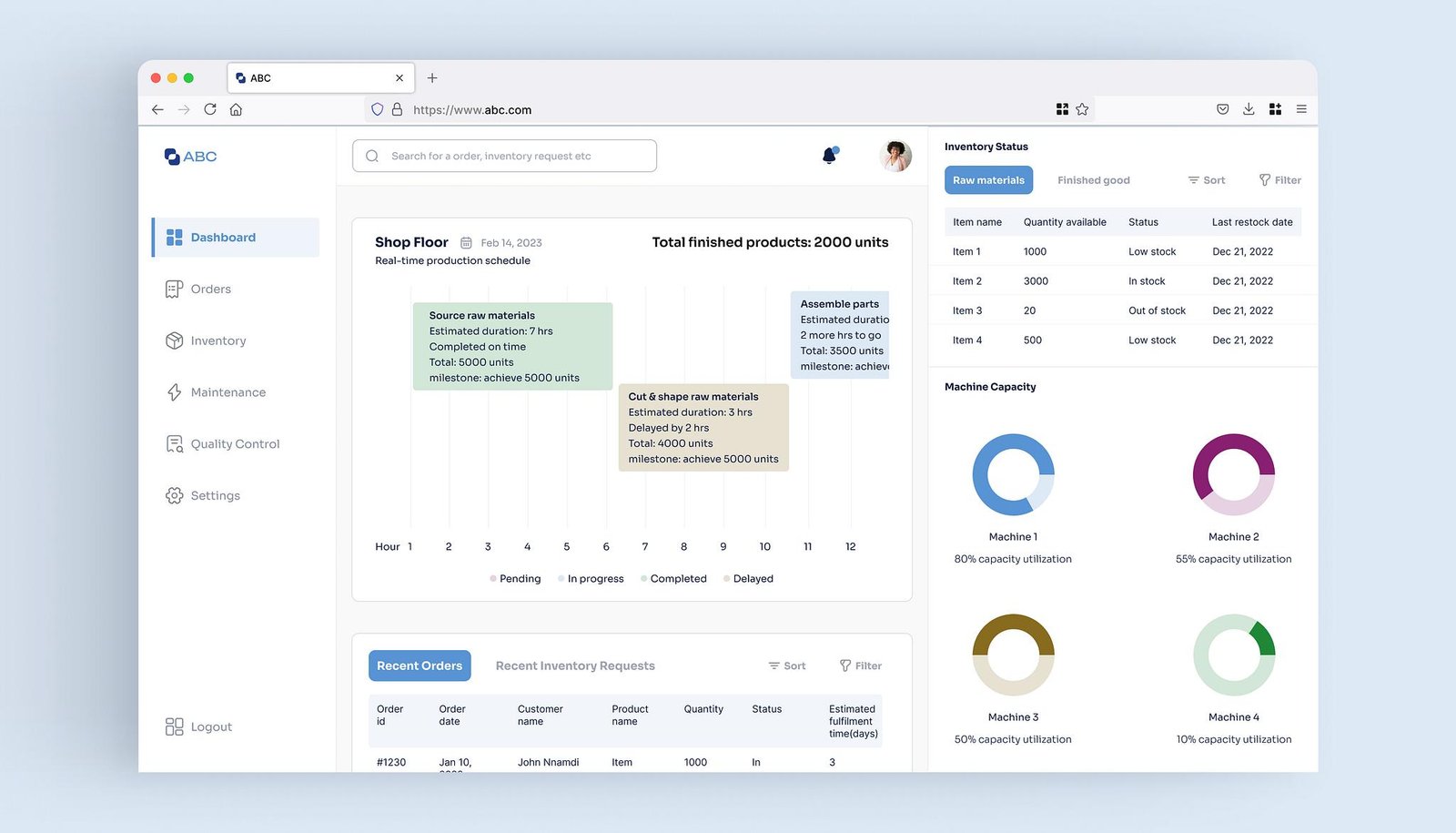
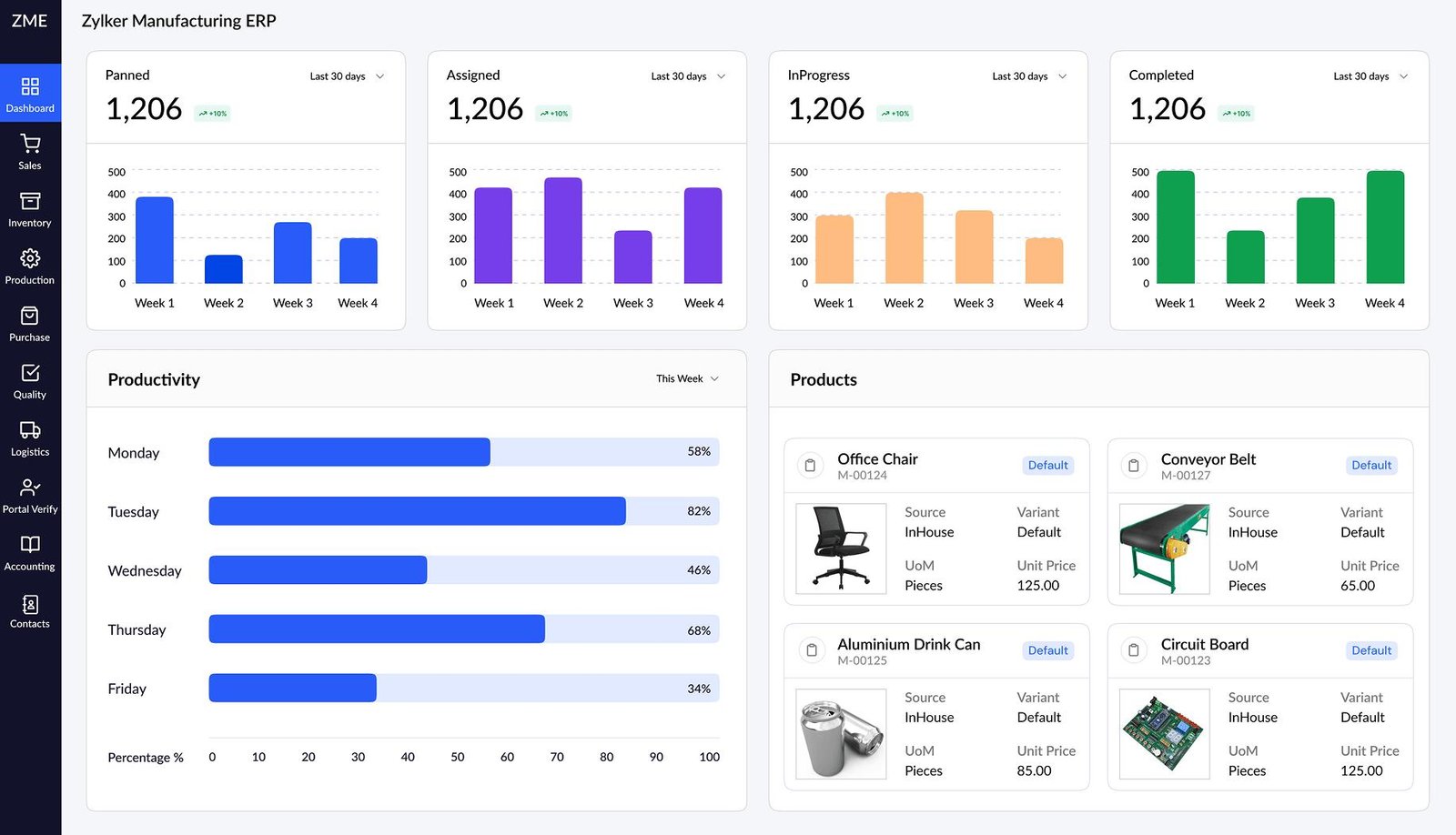
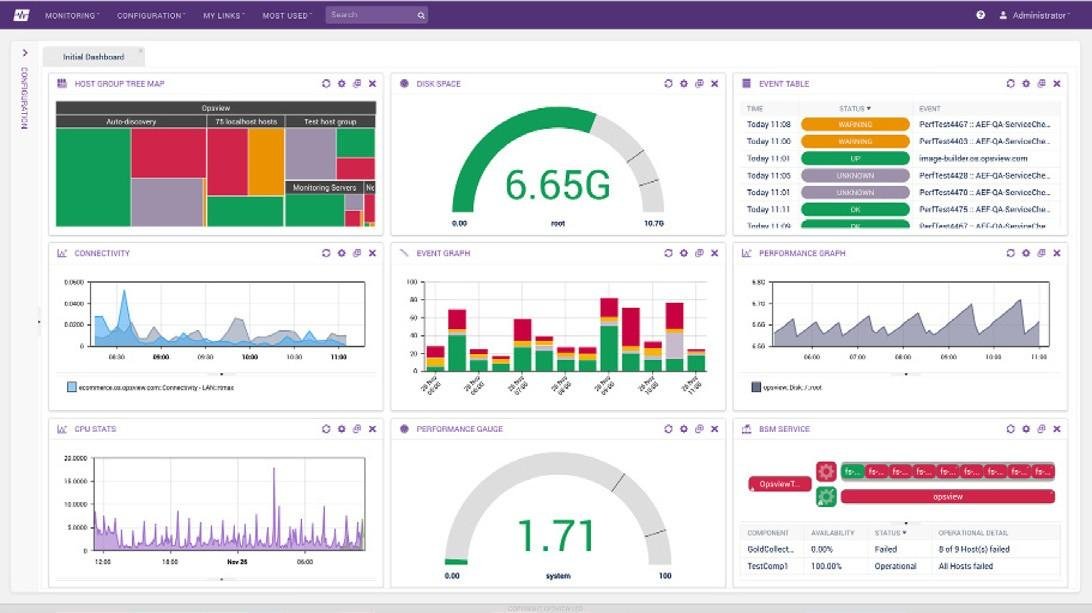
Streamline production, inventory, procurement, and quality control with a centralized ERP solution built for manufacturers. Monitor raw materials, production schedules, machine performance, and order fulfillment in real time.

Pros & corns

Built for a specific industry

improves efficiency

Pre-configured workflows

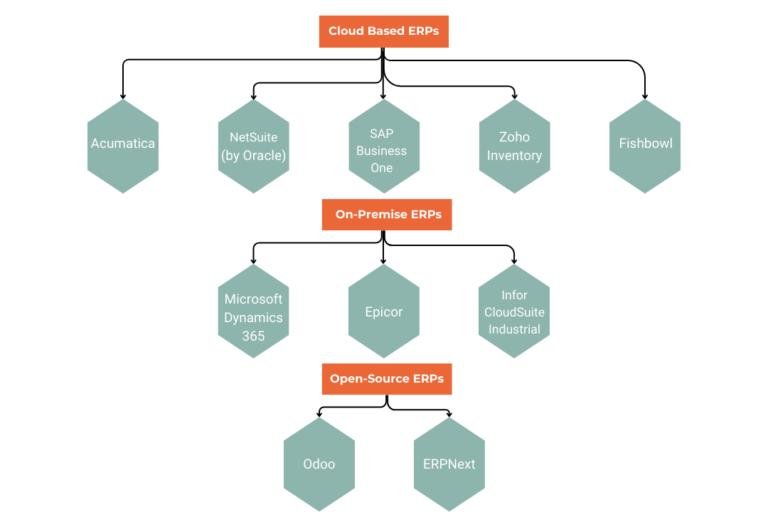
Tools: SAP, Oracle NetSuite, Odoo, Microsoft Dynamics 365

Manufacturing ERP,
Retail ERP,
Hospital ERP,
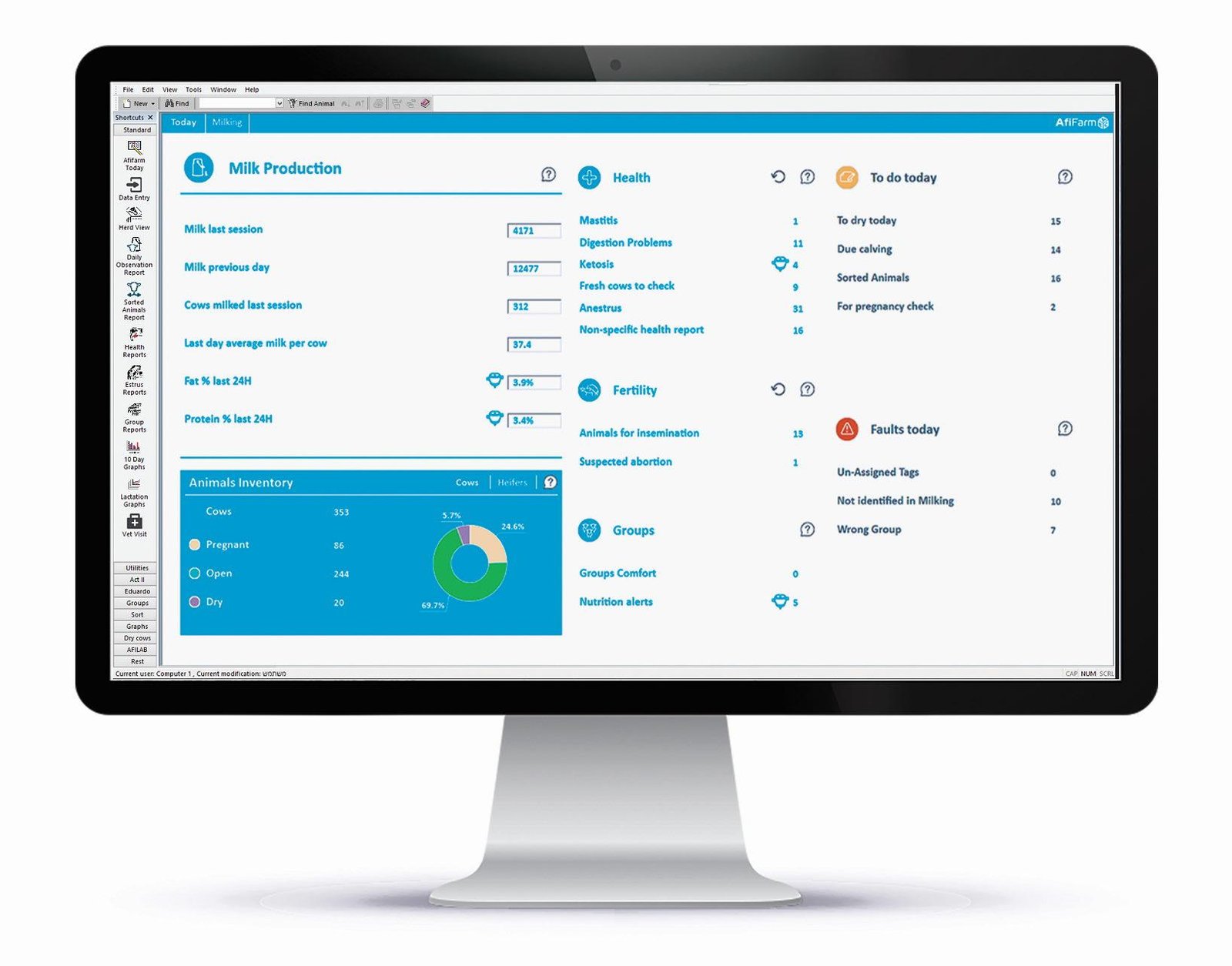
Dairy ERP

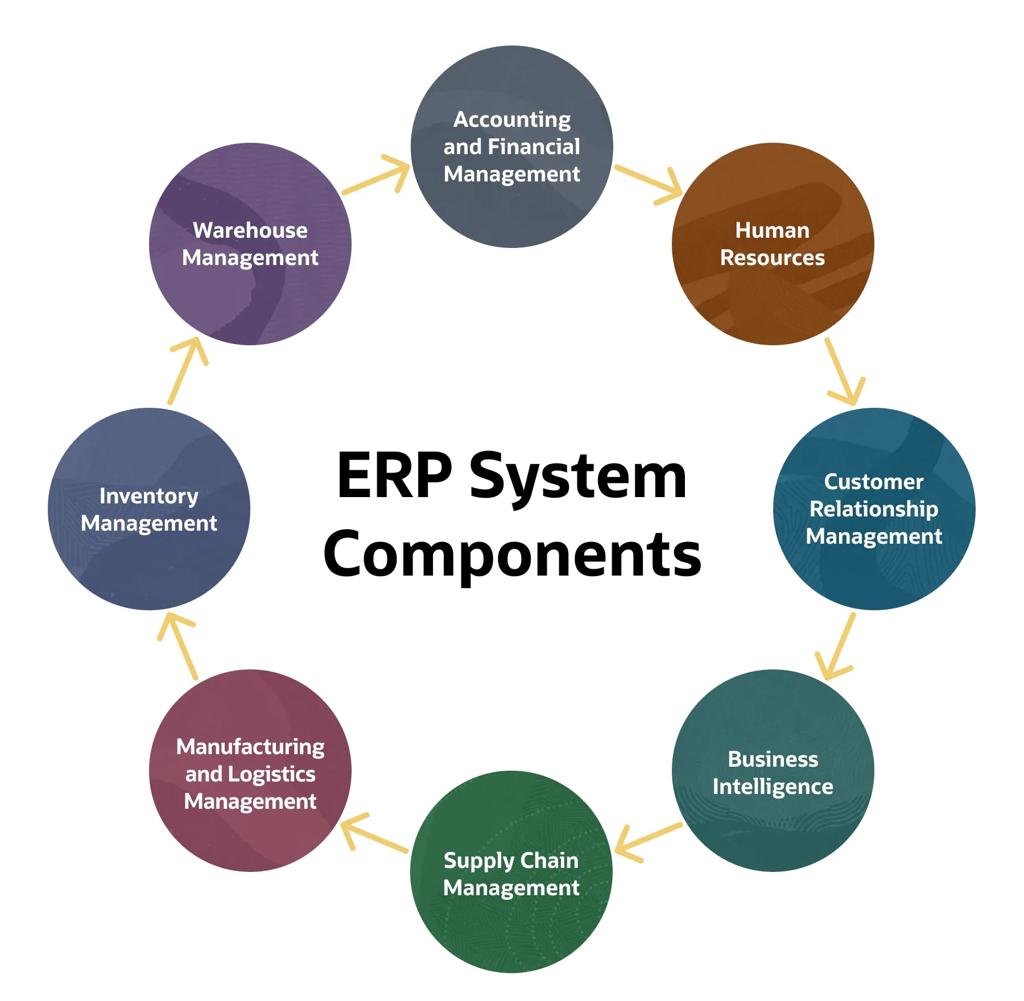
Modular ERP Systems

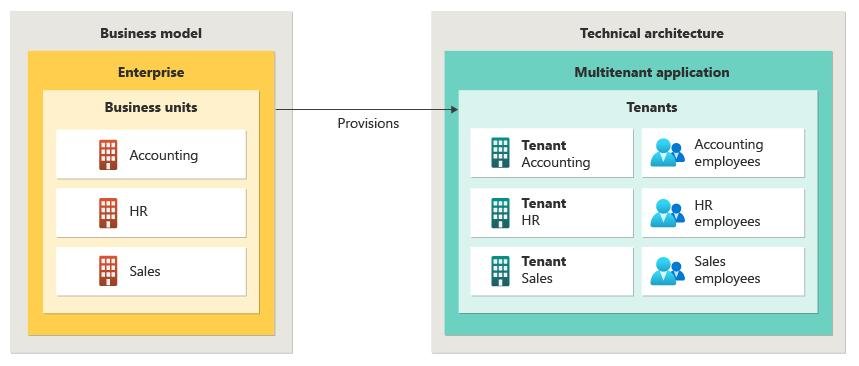
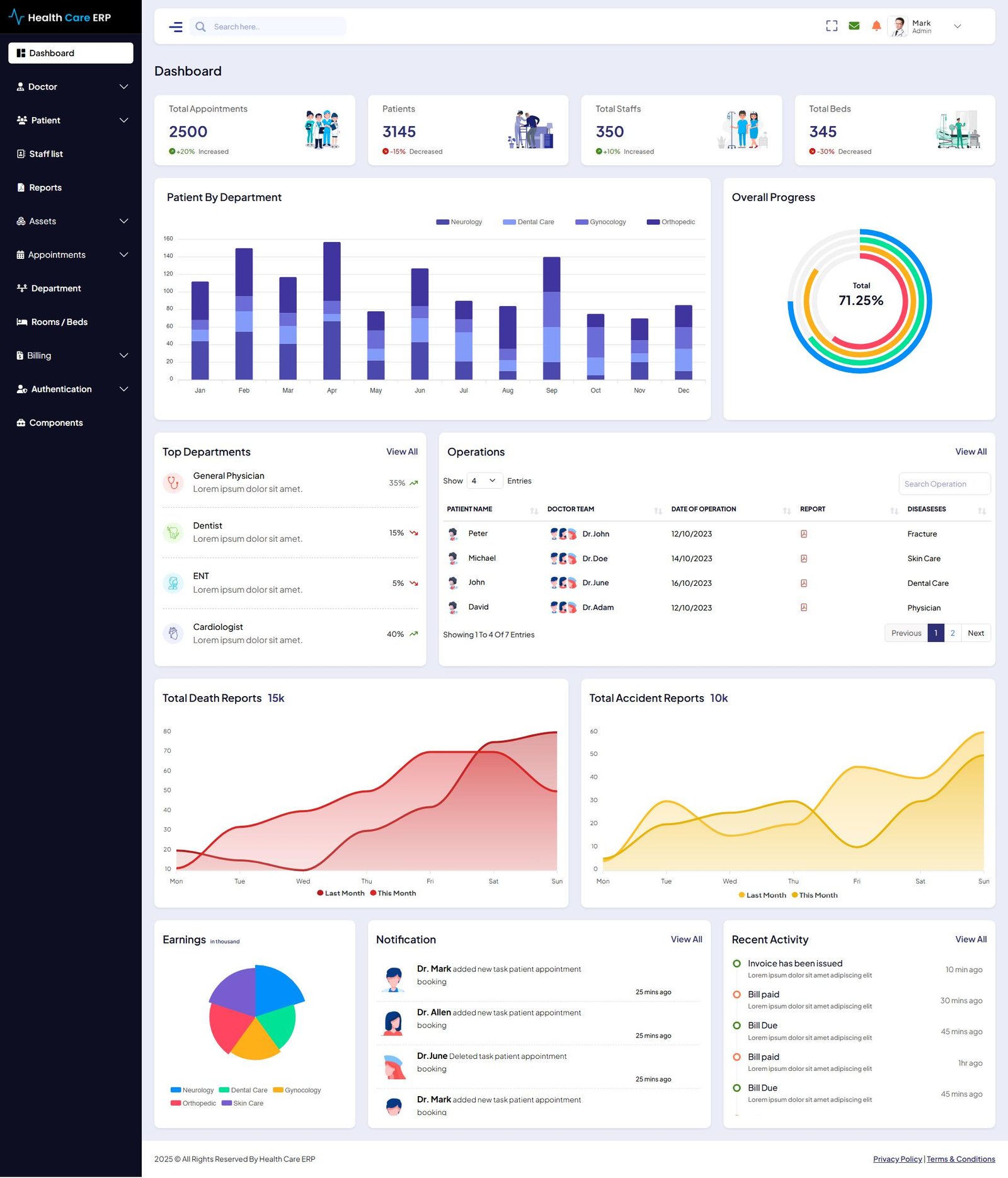
A Modular ERP System is an ERP solution built with separate modules such as Finance, HR, Inventory, Sales, CRM, Manufacturing, and Payroll. Businesses can choose only the modules they need and add more later as they grow. This makes the system flexible, cost-effective, and easy to customize for different industries.
Pros & corns

Suitable for small, medium, and large businesses

Different departments can work independently and together

Some advanced features may require third-party add-ons

Tools: SAP Business One, Odoo, Oracle NetSuite, Microsoft Dynamics 365

retail,
manufacturing,
healthcare,
logistics,
education

Cloud-Based ERP (SaaS ERP)

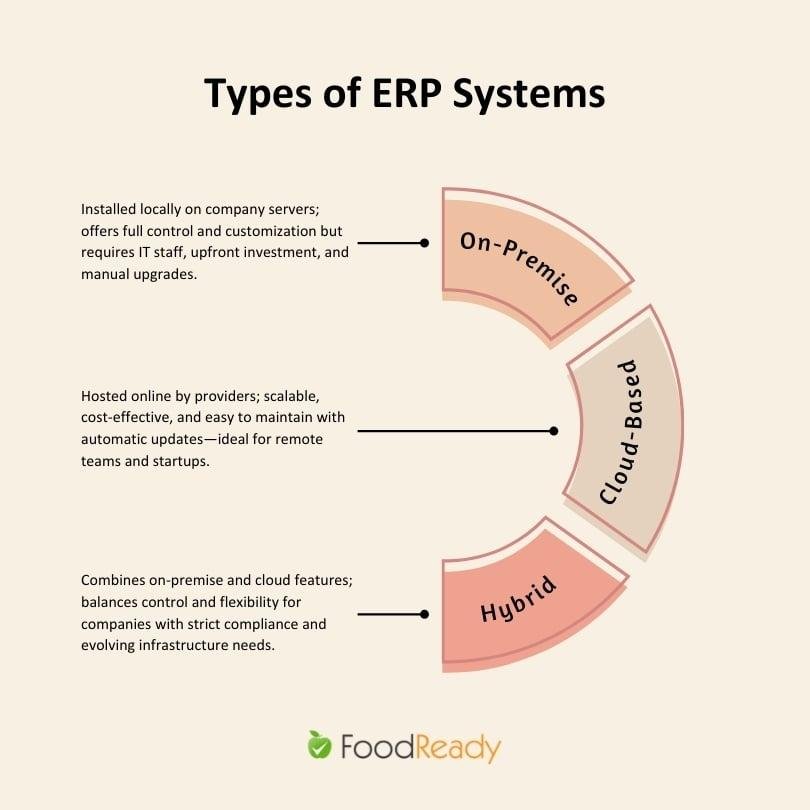
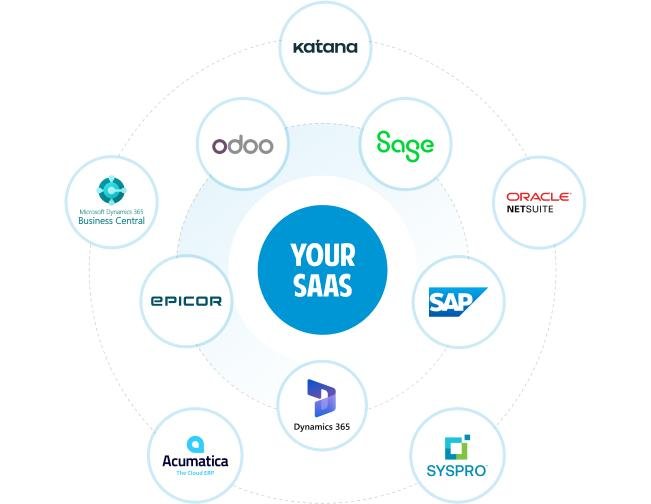
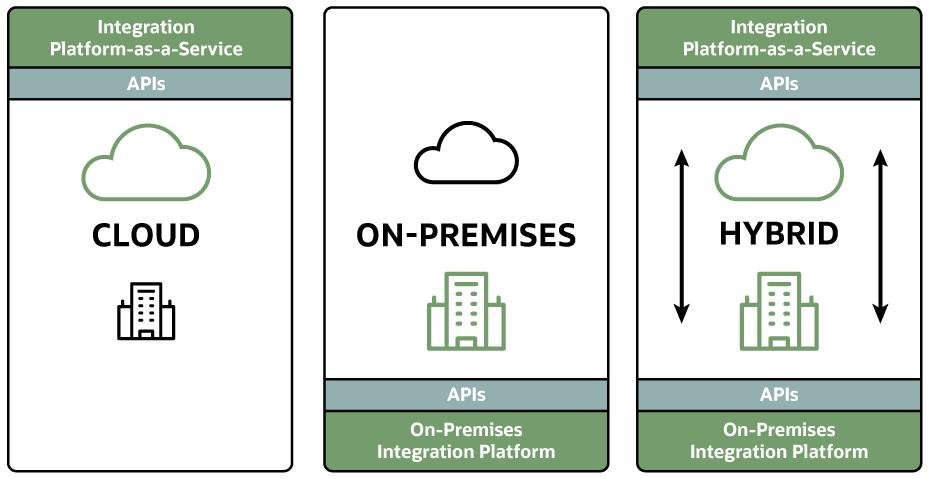
Cloud-Based ERP (SaaS ERP) is an ERP system hosted online and accessed through the internet. Businesses pay a monthly or yearly subscription instead of buying servers and software. It allows teams to manage finance, HR, inventory, sales, and operations from anywhere. Cloud ERP usually deploys faster, costs less upfront, and updates automatically.

Pros & corns

Hosted on cloud (AWS, Azure)

Subscription-based model

Depends on internet connection

Tools: Odoo,ERPNext,Sage Intacct,Oracle ERP Cloud,

healthcare,
logistics,
education,
service companies

On-Premise ERP

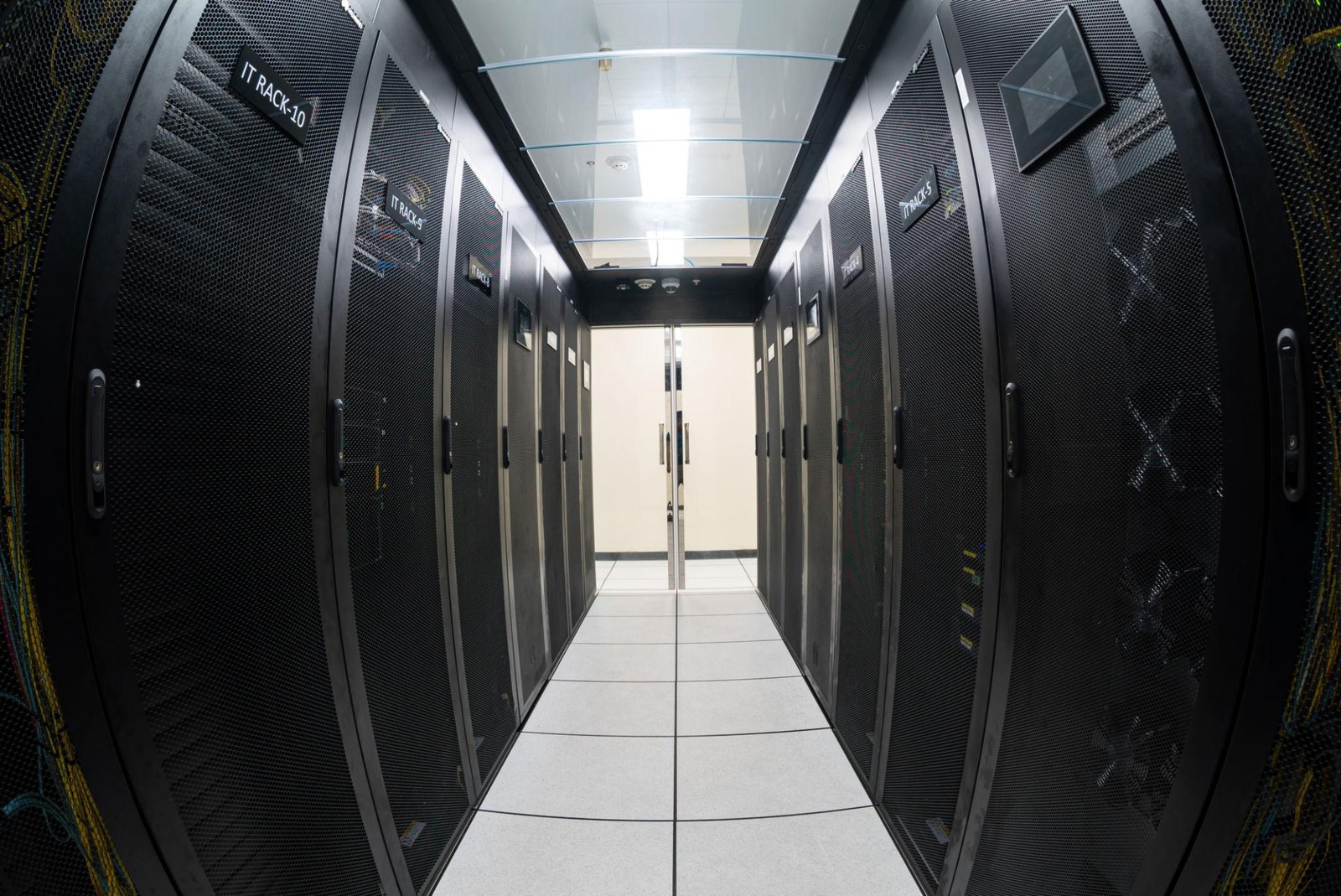
On-Premise ERP is an ERP system installed and managed on the company’s own servers and hardware. The business has full control over the software, data, security, and updates. It is commonly used by companies that need high customization, strict data security, or must follow industry regulations.

Pros & corns

Installed on client’s local servers

Full data control

Remote access is more difficult

Tools: SAP ERP, Infor ERP,Odoo

Large enterprises,
Manufacturing companies

Hybrid ERP

Hybrid ERP combines both Cloud ERP and On-Premise ERP in a single system. Some modules or data are hosted on the company’s own servers, while others run in the cloud. This gives businesses the flexibility to keep sensitive data secure on-site while using cloud features for scalability, remote access, and easier updates.
Pros & corns

Mix of cloud + on-premise

Flexible architecture

More complex to manage and maintain

Tools: SAP S/4HANA, Microsoft Dynamics 365, Oracle ERP, Cloud Infor, CloudSuite

finance,
logistics,
retail